Introduction
Shipping perishable goods across oceans or continents requires more than just a sturdy box. It demands a precise, cold environment that never wavers. This is where a Reefer Generator, commonly known as a "genset," becomes the hero of the cold chain. While a refrigerated container (reefer) has its own cooling machinery, it cannot generate its own electricity. When it is on a ship or at a port terminal, it plugs into the grid. But what happens during long truck hauls or rail journeys?
Without a reliable power source, thousands of dollars in cargo—from fresh strawberries to life-saving vaccines—could spoil in hours. A Reefer Generator provides that vital independence. It is a portable engine-driven power plant designed specifically to keep the cooling unit running regardless of where the container is. In this expert guide, we will explore the technical nuances, the different mounting styles, and how to choose the right power solution for your logistics needs.
The Core Function: Why a Reefer Generator is Non-Negotiable
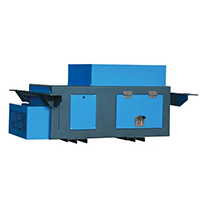
At its simplest, a Reefer Generator is a mobile power station. It bridges the energy gap during the "inland" portion of a shipment's journey. Most reefers require a steady 460V/3-phase power supply to maintain temperatures ranging from deep freeze to controlled ambient levels. Trucks and trains simply aren't built to provide this level of high-voltage electricity directly from their own engines.
It works by converting diesel fuel into mechanical energy, which then drives an alternator to produce electricity. They are built to be rugged. They must survive extreme vibrations on the road, heavy rain, and salt spray in coastal areas. Reliability is the top priority here. If the engine stops, the temperature rises. For a Freezer Type cargo, even a small rise in temperature can lead to bacterial growth or texture degradation, rendering the entire shipment unsellable.
Comparing Mounting Styles: Clip-On vs. Undermount
When logistics managers talk about a Reefer Generator, they usually focus on how it attaches to the container or the chassis. This choice depends entirely on your operational workflow and the type of equipment you already own.
The Clip-On Reefer Generator
A Clip-on unit is designed to attach directly to the upper front frame of the reefer container. It "clips" into the corner castings. This is the go-to choice for shipping lines and leasing companies because the generator stays with the container. It makes it easy to move the unit from a truck to a stack without needing a special chassis.
The Undermount Reefer Generator
An Undermount unit is bolted to the trailer chassis itself. It sits beneath the container. This style is often preferred by trucking companies that handle refrigerated loads exclusively. Since the weight is lower on the vehicle, it provides better stability and doesn't interfere with the container's structural access.
| Feature | Clip-on Type | Undermount Type |
| Mounting Location | Front of Container | Chassis Rail |
| Versatility | High (moves with box) | Medium (stays with truck) |
| Stability | Standard | High (Lower center of gravity) |
| Typical Use | International Shipping | Local/Regional Hauling |
Engineering for Efficiency: High Capacity and Fuel Economy
Modern logistics demand a High capacity output without draining the fuel tank in a single afternoon. A high-quality Reefer Generator must balance these two competing needs. Most units use advanced diesel engines from brands like Kubota or Yanmar, paired with highly efficient alternators.
A High capacity unit ensures that even if the ambient temperature outside hits 45°C (113°F), the generator has enough "juice" to keep the compressor running at 100% duty cycle. We see a trend toward "Eco-modes" in newer models. These systems adjust the engine RPM based on the cooling demand. If the cargo is already at the target temperature, the engine slows down to save fuel. This not only cuts costs but also reduces the carbon footprint of the cold chain.
Noise Management and Urban Logistics
As cities become more crowded, noise pollution regulations are getting stricter. If your truck is parked at a rest stop or delivering to a supermarket in a residential area at 4 AM, a loud engine is a major problem. This has led to the rise of the Low noise Reefer Generator.
Manufacturers achieve a Low noise profile through several engineering feats:
Acoustic Enclosures: Heavy-duty insulated cabinets that muffle the engine's roar.
Vibration Dampers: Specialized rubber mounts that prevent the generator's shaking from turning the whole container into a giant drum.
Optimized Exhausts: Mufflers designed to reduce decibels without creating back-pressure that kills engine efficiency.
A Low noise unit is no longer a luxury; it is a requirement for many European and North American urban delivery routes. It allows operators to run 24/7 without violating local ordinances.
Technical Specifications: The Freezer Type and Slide Mount Type
Understanding the specific hardware variations is key to a successful purchase. Not all generators are created equal; some are built for extreme cold, while others focus on ease of maintenance.
The Freezer Type Specialized Cooling
When dealing with a Freezer Type load (like frozen fish or ice cream), the power demand is much higher than for chilled goods (like apples). A Freezer Type compatible Reefer Generator must have a heavy-duty alternator that can handle the high "starting current" required by the reefer’s compressor when it kicks in. If the generator is underpowered, the voltage will drop, and the reefer electronics might shut down as a safety precaution.
The Slide Mount Type for Accessibility
Maintenance is often the hidden cost of owning a genset. The Slide Mount Type is a brilliant design where the entire engine and alternator assembly can slide out of the frame on a rail system. This gives mechanics 360-degree access to the fuel filters, oil dipstick, and belts. It drastically reduces downtime. If a technician can finish a service in one hour instead of three, it keeps your fleet on the road and your cargo cold.
Operational Best Practices: Ensuring Cold Chain Integrity
Owning a Reefer Generator is only half the battle; operating it correctly is the other half. We see many cargo losses not because the machine failed, but because of human error or poor maintenance.
Pre-Trip Inspections (PTI): Always run the generator for at least 20 minutes before loading the cargo. Check for leaks and listen for unusual knocks.
Fuel Quality: These engines are precise. Using contaminated diesel will clog the injectors and lead to a mid-trip failure. Always use high-quality fuel and change filters regularly.
Load Management: Ensure the reefer unit is set to the correct voltage compatibility before plugging it into the Reefer Generator.
Consistent monitoring is also vital. Many modern Reefer Generator units now come with telematics. They can send an SMS or an email to the driver and the home office if the engine oil pressure drops or if the fuel level is low. This real-time data is the ultimate insurance policy for high-value cold chain logistics.
The Future of Reefer Power: Hybrid and Electric Trends
While diesel remains the king of the road for now, the industry is shifting. We are seeing a move toward hybrid Reefer Generator solutions. These units use a battery pack to provide power during Low noise periods and use the diesel engine only to recharge the batteries or handle peak loads.
Some companies are even experimenting with solar-assisted units. While solar panels on top of a container can't fully power a Freezer Type load yet, they can significantly reduce the fuel consumption of the Reefer Generator by powering the fans and electronics. As battery density improves, the "all-electric" reefer journey is becoming a reality, especially for shorter regional hauls.
Conclusion
The Reefer Generator is the heartbeat of global food and medicine distribution. Whether you choose a Clip-on for its flexibility or an Undermount for its stability, the goal remains the same: unwavering power. By prioritizing features like Low noise operation, High capacity output, and maintenance-friendly designs like the Slide Mount Type, you ensure that your cold chain remains unbroken. Investing in a high-quality Reefer Generator is an investment in your cargo's safety and your business's reputation.
FAQ
Q: Can I use a standard portable generator for a reefer container?
A: No. A standard home generator lacks the 3-phase, 460V power output and the ruggedized mounting hardware required to safely power and secure a refrigerated shipping container during transport.
Q: How long can a Reefer Generator run on a single tank of fuel?
A: Most units have fuel tanks designed to last between 24 and 48 hours of continuous operation, depending on whether the cargo is in "Chilled" or Freezer Type mode.
Q: What is the benefit of a Slide Mount Type genset?
A: The Slide Mount Type allows the internal components to slide out like a drawer, making maintenance significantly faster and easier, which reduces labor costs and equipment downtime.
Our Factory and Commitment to Excellence
As a leading manufacturer in the power generation industry, we have spent decades perfecting the art of the Reefer Generator. Our factory is a hub of innovation, where we combine rigorous engineering with the latest technology to produce units that are not only powerful but also incredibly reliable. We understand that in the B2B world, downtime is not an option. That is why we focus on producing High capacity and Low noise solutions that meet the specific demands of global logistics providers.
We pride ourselves on our technical strength and our ability to provide customized power solutions. From Undermount units designed for heavy-duty trucking to Clip-on models for international shipping lines, we ensure every product leaving our floor is ready for the toughest environments. Our commitment to the B2B sector goes beyond just selling a machine; we provide a partnership rooted in quality, offering the durability and efficiency that your cold chain deserves.


