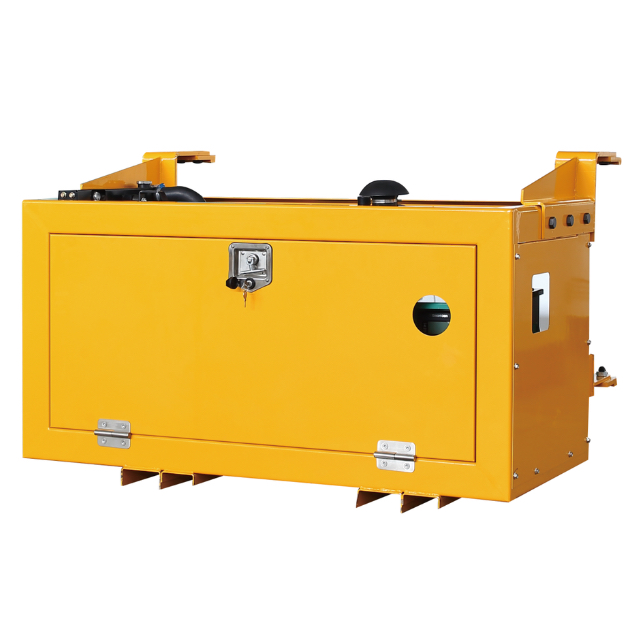
A single power failure during transit brings devastating consequences to your supply chain. Compromised temperature compliance leads immediately to rejected shipments. These failures cause massive financial losses and ruin valuable client relationships. High-value cargo demands absolute climate certainty.
Standard commercial generators cannot survive harsh logistics environments. You need specialized transport gensets built specifically to endure severe physical demands. Over-the-road trucking routes, complex rail networks, and busy port operations require robust engineering. Standard units fail under constant vibration and severe weather exposure. Specialized units guarantee continuous cooling across unpredictable logistics networks.
We provide a complete evaluation framework below. You will learn exactly how to select a reliable reefer generator for your fleet. We break down mounting styles, power output capabilities, fuel dynamics, and crucial fleet compatibility factors. This guide delivers actionable insights so you can protect your temperature-controlled freight effectively. Secure your operations and eliminate transit risks today.
Key Takeaways
Mounting matters: The choice between clip-on and underslung units dictates fleet flexibility and container handling constraints.
Power matching: Proper sizing is non-negotiable; the generator must handle high startup surges without voltage drops.
Compliance is critical: Selecting a diesel reefer generator requires aligning with regional emissions standards (e.g., CARB, EPA Tier 4).
The Business Impact of Your Cold Chain Power Setup
Cargo Spoilage Mitigation
Continuous, uninterrupted cold chain power directly protects your company bottom line. Strict service level agreements (SLAs) govern modern temperature-controlled freight. Modern receivers utilize digital temperature loggers inside shipping containers. Even minor temperature excursions cause total load rejection at the receiving dock. Rejected loads mean lost revenue and expensive disposal fees.
Reliable power sources stabilize internal container climates permanently. They mitigate transit risks effectively. Consistent climate control helps reduce expensive insurance premiums over time. Insurance providers reward fleets demonstrating strong cargo protection protocols. You protect high-value shipments like sensitive pharmaceuticals, biologics, and frozen seafood from catastrophic spoilage. This reliability builds massive trust among top-tier shippers.
Operational Agility
Standardized gensets give modern logistics providers a massive competitive edge. They let fleets accept a significantly broader variety of temperature-controlled freight. You can haul deep-freeze plasma shipments one day. You can transport fresh produce the very next day. This operational flexibility maximizes asset utilization across your entire logistics network.
Fleet managers face constant pressure to reduce empty backhauls. A versatile power unit bridges this operational gap easily. You never have to turn down lucrative contracts due to equipment limitations. Robust power setups allow your dispatchers to route containers confidently across varying climates. Your business scales faster when equipment adapts dynamically to changing customer demands.
Underslung vs. Clip-On: Selecting the Right Mounting Configuration
Selecting the correct physical mounting style determines your daily operational flow. Each configuration offers distinct advantages based heavily on your primary transport modes.
Underslung (Chassis-Mount) Generators
Underslung models mount directly securely to the container chassis frame. Mechanics weld or bolt these units into the steel structure beneath the container.
Advantages: They provide a significantly lower center of gravity. This placement improves highway safety during high winds. The underslung position keeps the unit completely out of the way during busy port terminal handling. Overhead cranes lift containers without obstruction. They remain ideal for dedicated over-the-road trucking operations.
Limitations: These units remain permanently tied to the chassis itself. If the chassis suffers a mechanical breakdown, your power source stays sidelined. You cannot easily transfer the power unit to another chassis during roadside emergencies.
Clip-On (Front-Mount) Generators
Clip-on generators attach directly onto the upper front corner castings of the shipping container. Technicians secure them using heavy-duty locking pins.
Advantages: The power unit travels seamlessly alongside the container across multi-modal networks. You can move the container from a rail car to a port terminal, then onto a truck. The generator stays attached constantly. This guarantees uninterrupted cooling during complex intermodal transfers.
Limitations: They add substantial heavy weight to the front end. Drivers must calculate bridge weight limits carefully. Mounting these units safely requires specialized forklifts. Terminals must possess the correct lifting equipment to install or remove them.
Mounting Configuration Comparison Summary
Feature
Underslung (Chassis-Mount)
Clip-On (Front-Mount)
Primary Attachment Point
Chassis frame rails
Container corner castings
Best Use Case
Dedicated long-haul trucking
Multi-modal / Intermodal transit
Center of Gravity
Low (improves road stability)
High (adds front-end weight)
Handling Equipment Needed
Standard mechanic tools
Specialized heavy forklift
Transferability
Difficult (stays with chassis)
High (travels with container)
Power Capacity and Electrical Compatibility
Voltage and Receptacle Standards
Ensuring exact electrical compatibility remains absolutely critical before dispatch. A proper reefer container generator must perfectly match industry standard ISO connections. Global logistics rely heavily on standardized 460V / 230V dual-voltage capabilities. Dual-voltage units provide maximum flexibility across international borders.
Technicians must verify receptacle pin configurations. Using mismatched plugs causes severe electrical arcing. Arcing damages expensive internal circuitry instantly. Always standardize your fleet receptacles. This standardization prevents costly delays at busy transfer depots.
Handling Inrush Current
Electrical alternators face massive mechanical strain during initial equipment startup. You must select an alternator fully capable of handling extreme startup surges. Transport refrigeration compressors draw three to five times their normal running current when first activated. We call this sudden spike "inrush current."
If your alternator lacks sufficient capacity, voltage drops precipitously. Safety breakers trip immediately to protect the circuit. The container loses cooling capacity entirely. Heavy-duty copper windings inside the alternator absorb this thermal shock safely. Never undersize your alternator capacity to save upfront weight.
Sustained Load Performance
Ambient temperature extremes severely test sustained continuous loads. Desert environments push cooling demands to absolute maximum limits. The unit must maintain highly stable voltage and frequency parameters continuously. Minor electrical fluctuations damage sensitive internal microprocessors quickly.
Best Practices for Electrical Reliability:
Perform regular load bank testing: Annually test your alternators under maximum simulated loads.
Inspect wiring harnesses: Check heavy-gauge cables for abrasion damage frequently.
Calibrate frequency outputs: Ensure the engine maintains exact RPMs to keep hertz levels stable.
Fuel Efficiency, Runtime, and Emissions
Fuel Tank Capacity vs. Weight Limits
Balancing extended runtime against highway regulations requires careful logistical planning. Cross-country routes demand large continuous fuel supplies. Many operators prefer massive 50 to 130-gallon tanks. High capacities prevent dangerous mid-route fuel starvation.
However, you must aggressively balance fuel volume against strict highway axle-weight restrictions. Diesel fuel weighs roughly seven pounds per gallon. A full 130-gallon tank adds nearly 1,000 pounds. This extra weight pushes heavily loaded trailers over legal bridge laws. Drivers face severe fines at highway weigh stations. Fleet managers must calculate route distances accurately to optimize tank sizing.
Engine Efficiency
Modern engineering maximizes every drop of diesel fuel. Look specifically for direct-injection diesel engines. These advanced engines operate at highly constant RPMs. Constant engine speed minimizes wasteful fuel burn efficiently.
High-efficiency injectors atomize fuel precisely inside the combustion chamber. This precision extracts maximum mechanical energy. Efficient engines generate less internal heat and reduce overall vibration. Fleet fuel consumption drops significantly across thousands of highway miles. Always review specific fuel consumption curves provided by engine manufacturers.
Regulatory Compliance
Environmental regulations dictate modern equipment choices strictly. You must secure EPA Tier 4 Final compliance across your North American fleet. Older, heavily polluting engines face immediate bans in many jurisdictions.
Operating in California requires strict CARB (California Air Resources Board) certifications. Non-compliant fleets face massive financial penalties. Inspectors deny entry to specific regulated ports and logistics hubs. Purchasing compliant equipment ensures unrestricted geographical routing.
Dual-Fuel and Hybrid Alternatives
The industry rapidly adopts greener standby technologies. Electric standby options reduce diesel dependency dramatically at holding depots. Operators plug the container directly into shore power grids.
This integration eliminates localized engine emissions completely. Depot noise pollution drops to zero. Hybrid systems offer seamless switching between diesel power and electric grids. Early adoption of hybrid technologies future-proofs your fleet against upcoming environmental legislation.
Implementation Risks and Fleet Integration Realities
Maintenance Accessibility
Intelligent mechanical design translates directly into lower maintenance downtime. Technicians must access critical engine components quickly. A well-engineered refrigerated generator features easily removable service doors. Clear access to oil filters, heavy-duty fuel pumps, and tension drive belts remains mandatory.
When engineers bury dipsticks behind complex structural steel, mechanics skip vital daily checks. Skipped inspections lead inevitably to catastrophic highway breakdowns. Demand units featuring single-side service access. Single-side access allows mechanics to perform full preventative maintenance safely from one standing position.
Telematics and Remote Monitoring
Modern logistics require absolute visibility. You need advanced two-way communication modules integrated into every unit. Dispatch operators must remotely monitor vital mechanical statistics. Key data points include real-time fuel levels, precise coolant temperatures, and stable voltage outputs.
Telematics software predicts mechanical failures before they actually occur. If coolant temperatures spike unexpectedly, the system sends an immediate text alert. Dispatchers route the driver to a nearby service facility instantly. Remote start and stop capabilities allow managers to control units miles away. Data-driven maintenance prevents expensive emergency roadside service calls.
Vibration and Weather Resilience
Harsh transit environments destroy weak equipment rapidly. Highway driving generates continuous, destructive harmonic vibrations. Train transit adds violent, unpredictable shunting shocks. Port terminal cranes cause heavy, sudden impacts upon landing.
You must scrutinize structural integrity closely. The enclosure demands marine-grade anti-corrosion coatings. Saltwater spray rusts exposed steel aggressively. Manufacturers must install heavy-duty internal shock mounts. These rubberized mounts isolate the engine block from the outer steel frame. Weather-sealed electrical control panels prevent moisture intrusion. Water intrusion shorts out motherboard circuits instantly.
Pre-Trip Inspection Checklist for Drivers:
Fluid Levels: Verify engine oil and engine coolant levels accurately.
Belt Tension: Press firmly on the alternator belt to ensure proper tension.
Visual Inspection: Look beneath the unit for fresh fluid puddles.
Receptacle Check: Ensure the power plug remains locked and fully seated.
Conclusion
Selecting the best equipment requires deep operational analysis. The ideal unit successfully aligns physical mounting compatibility with predictable fuel economics. You need bulletproof mechanical reliability to survive modern supply chain pressures. Never compromise on structural integrity or electrical capacity. Proper sizing guarantees your specialized freight arrives perfectly intact.
We advise procurement teams to audit their primary transport modes thoroughly. Evaluate whether your fleet relies mostly on dedicated road transport or complex intermodal networks. Verify regional emissions compliance requirements before requesting final manufacturer quotes. Clear operational data prevents expensive purchasing mistakes.
Take immediate action to secure your temperature-controlled cargo. Direct your fleet managers to contact our specialized engineering team today. We offer a comprehensive fleet compatibility assessment. Review our specific product specifications to match your exact logistical requirements. Protect your loads and maximize your fleet agility now.
FAQ
Q: What is the difference between a reefer unit and a reefer generator?
A: The reefer unit contains the actual air conditioning compressor and evaporator. It directly cools the interior cargo space. The generator (genset) acts purely as a mobile power plant. It provides the external electrical power required to run that separate cooling unit continuously during transit.
Q: How long can a diesel reefer generator run on a single tank?
A: Runtime depends heavily on tank size and ambient temperatures. Units featuring standard 50-gallon tanks typically run for 2 to 3 days continuously. Models equipped with larger 120-gallon tanks easily provide 4 to 5 days of uninterrupted power under normal load conditions.
Q: Can an underslung generator be used on any chassis?
A: They fit most standard I-beam and gooseneck container chassis designs. However, compatibility requires universal mounting hardware. Extremely specialized or older chassis designs might require custom fabrication. Always verify frame rail spacing before purchasing underslung units.
Q: Are reefer generators waterproof?
A: They are highly water-resistant, not fully submersible. Manufacturers build them using rigorous marine-grade weatherproofing standards. They withstand severe rainstorms, heavy snow, and harsh saltwater spray. However, submersion in floodwaters destroys the internal air intakes and sensitive electrical panels.
DONGCHAI POWER devotes itself to manufacuring and maintenance of different types generator, diesel generator, gas generator, silent generator, reefer generator, container generator and sychronization generator.