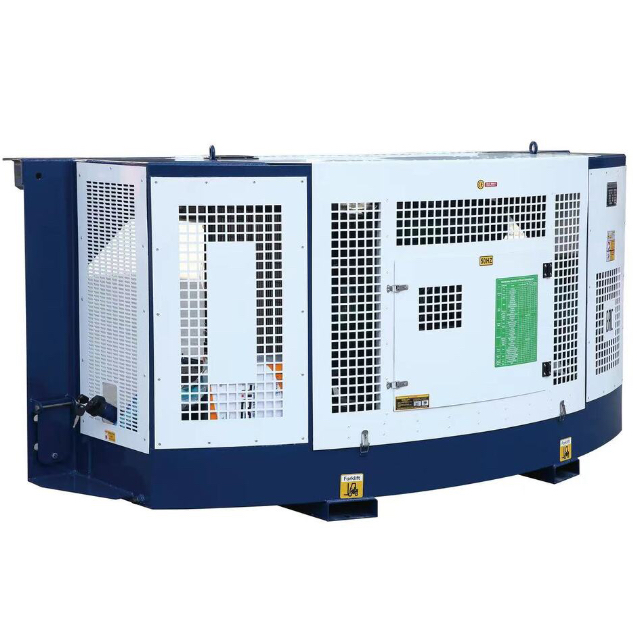
Cold chain interruptions carry massive financial stakes for global logistics networks. A single power failure during transit can quickly ruin an entire shipment of temperature-sensitive cargo. Off-grid transit and static staging remain the highest-risk phases for these perishable goods. Fleets need highly specialized equipment to mitigate these daily supply chain dangers. A clip-on reefer generator directly addresses this critical vulnerability. It is an independent, detachable power unit. Operators mount it securely to the upper front wall of an ISO refrigerated container. You need more than just a basic definition to safeguard your logistics network effectively. We will thoroughly explore how procurement and fleet managers rigorously evaluate these units. Read on to clearly understand the operational continuity, compliance risks, and strategic advantages they bring to modern freight networks.
Key Takeaways
Primary function: Delivers continuous, off-grid power to refrigerated containers during intermodal transit, rail transport, and static staging.
Strategic advantage: Unlike chassis-mounted models, clip-on units stay attached to the container itself, ensuring unbroken power across multiple modes of transport.
Evaluation criteria: Procurement hinges on fuel tank capacity (run-time), kilowatt output (16kW–22kW ranges), mounting compatibility, and weight distribution impact.
Operational risks: Improper adoption can lead to steer-axle weight compliance issues and requires specific material handling equipment for safe mounting.
The Strategic Role of a Clip-On Reefer Generator
You must bridge the intermodal power gap effectively. Shipping containers disconnect from terminal shore power frequently. They also lose vessel power during dock unloading procedures. During these transit gaps, a specialized unit provides autonomous power. This continuous energy keeps the internal container temperature perfectly stable. Cargo remains completely safe from dangerous temperature fluctuations.
Asset flexibility represents a huge logistical advantage. You avoid tying up valuable capital in permanently powered containers. Modular power makes deep operational sense. You simply attach the generator only when absolutely necessary. This smart strategy maximizes your overall fleet utilization. Facilities can rotate a smaller pool of generators across a larger fleet of dry boxes.
We must strongly highlight continuity for cold storage transport. Multi-day intermodal journeys pose severe risks to delicate freight. Cargo transitions seamlessly between trucks, railcars, and remote holding yards. Many rural staging areas lack shore power infrastructure entirely. Your unit ensures unbroken refrigeration during these critical multi-modal handoffs. Operators rely on this continuous power to maintain strict food safety standards.
Three Phases of Power Vulnerability
Port Dwell Time: Containers sit in terminal yards waiting for long-haul truck assignments.
Rail Transit: Cross-country trains rarely provide internal power to stacked container freight.
Customer Yard Staging: Warehouses often lack enough active plug-in docks for arriving deliveries.
Clip-On vs. Underslung Gensets: Architectural Differences
Understanding architectural differences helps you make better fleet decisions. Equipment mounting locations dictate logistical flexibility. Clip-ons attach directly to the top front wall. They lock tightly into the header corner castings of the box. Conversely, an underslung mount attaches directly underneath the truck chassis.
The logistical flexibility heavily favors clip-on models for rail transport. They offer a distinct "stay with the box" structural advantage. The generator travels onto train flatcars seamlessly alongside the container. It also enters static holding yards without issues. Underslung units remain physically bolted to the truck chassis. They become completely useless once you move the container to a railcar.
We use a clear decision framework when selecting equipment configurations. A dependable diesel refrigeration generator must perfectly match your specific routing constraints.
Feature
Clip-On Models
Underslung Models
Mounting Location
Top front container wall
Directly on truck chassis
Asset Mobility
Stays attached to the container
Stays attached to the truck
Ideal Use Case
Intermodal rail, port staging
Over-the-road (OTR) trucking only
Weight Impact
Puts weight on front steer-axle
Distributes weight lower on trailer
Decision Framework Guidelines
Choose Clip-on if: Your specific routing involves heavy rail intermodal transfers. Select them for port staging or temporary ground storage solutions.
Choose Underslung if: Your operations strictly involve over-the-road trucking lines. Use them when trailer weight distribution remains your primary highway constraint.
Sizing and Evaluating a Diesel Refrigeration Generator
Power output requirements vary significantly across different cargo profiles. Standard power tiers typically sit at 15kW, 18kW, or 22kW capacities. You must carefully align power choices with specific freight types. Deep freeze shipments demand high sustained power outputs. Fresh produce requires less intensive daily cooling cycles. Ambient climate conditions also firmly dictate your baseline power needs.
Fuel capacity directly dictates operational autonomy during long hauls. Analyze standard fuel tanks closely before purchasing. Most high-capacity units hold between 120 and 130 gallons of diesel. We establish a transparent baseline for standard fuel burn rates. A typical clip-on refrigerated generator consumes roughly 0.7 to 1 gallon per hour. This burn rate depends entirely on the active cooling load. You can calculate highly realistic autonomous run times using these figures. A full tank safely yields over 120 hours of continuous operation.
Engine and alternator reliability ultimately define long-term unit performance. Identify critical internal components during your initial procurement phase. You should always demand brushless alternators for reduced maintenance burdens. Low-emission diesel engines represent a modern industry standard. Tier 4 compliance is strictly mandatory for California and CARB regulations.
Best Practices for Equipment Sizing
Map your highest historical ambient route temperatures to avoid overheating.
Factor in cargo volume versus available internal air circulation space.
Choose Tier 4 engines even outside California to future-proof your fleet.
Implementation Realities: Mounting, Maintenance, and Risks
Mounting logistics always require careful operational planning. You simply cannot install these heavy units manually. The operational requirement dictates large-scale heavy machinery. Facilities must utilize heavy-duty forklifts or specialized reach stackers. Operators carefully position the unit onto the upper container castings. They then lock the heavy safety pins firmly into place.
Weight and compliance risks present major hurdles for road freight. Clip-on units add significant mass to the container profile. They weigh approximately 1,700 to 2,000 lbs fully fueled. This mass sits at the absolute front edge of the container. The placement dramatically shifts the center of gravity forward. This shift pushes trucks dangerously close to legal steer-axle weight limits. You must monitor highway scale weights constantly. Heavy units disrupt legal compliance during over-the-road highway transport. A dependable reefer container power source must balance weight against fuel capacity.
Serviceability poses another distinct daily challenge for maintenance crews. Routine access requires strict terminal safety protocols. Clip-ons sit very high off the depot ground. Routine operational checks demand sturdy ladders or elevated work platforms. Technicians must check oil, coolant, and air filters at dangerous heights. Chassis-mounted units offer much easier ground-level access for mechanics.
Common Implementation Mistakes to Avoid
Ignoring steer-axle scale tickets after mounting a fully fueled unit.
Failing to verify corner casting structural integrity before lifting procedures.
Skipping weekly coolant checks simply due to height access difficulties.
Advanced Features to Look for in Modern Reefer Gensets
Modern transit fleets demand advanced technological integrations. Telematics and remote monitoring redefine supply chain transit visibility. GPS tracking precisely pinpoints your exact cargo location globally. Remote fuel level monitoring actively prevents unexpected engine shutdowns. Automated fault alarms alert terminal dispatchers immediately upon failure. These specific features are non-negotiable for protecting high-value freight. A fully modern reefer genset communicates critical operational data in real time.
Eco-modes and smart load sensing optimize daily operational performance. Variable speed technology reduces fuel burn drastically across long routes. It severely limits engine wear during standard temperature-maintenance phases. Initial pull-down phases require maximum engine RPM capabilities. Maintenance phases then drop engine speeds safely to conserve diesel.
Corrosion resistance significantly extends expensive equipment lifespans. Coastal shipping ports expose equipment to harsh saltwater environments daily. Marine-grade powder coating is an absolute necessity for port operations. High-grade stainless steel hardware prevents rapid rust degradation over time.
Conclusion
Shortlisting logic greatly simplifies your final procurement process. Always verify your exact intermodal routing needs first. Assess your existing fleet weight capacities meticulously before committing. Calculate required unplugged run times for your longest typical routes. Proper planning prevents expensive mid-transit cargo spoilage.
Audit your current cold chain blind spots immediately. Identify exactly where rail delays threaten your daily cargo integrity. Determine if a detachable power unit solves your specific logistical hurdles. Request highly detailed specification sheets from your preferred equipment suppliers. Verify exact dimensions, weights, and emissions ratings before finalizing any purchase.
FAQ
Q: Can a clip-on generator fit any shipping container?
A: No. Manufacturers design them specifically for ISO refrigerated containers. These specific containers feature standardized header corner castings. Standard dry boxes lack the structural mounting points required for safe attachment.
Q: How long can a clip-on reefer generator run on a single tank?
A: A standard 120-gallon tank typically provides 4 to 6 days of continuous operation. Actual run times vary heavily based on ambient temperatures and the specific cargo set-point. Deep freeze conditions burn fuel much faster than fresh produce modes.
Q: What is the difference between a pin-mount and a clamp-mount clip-on?
A: Pin-mount units use steel pins sliding directly into the container's corner castings. This provides a highly secure, permanent-feeling lock. Clamp-mount units grip the container frame externally. Clamps offer slightly faster installation times but require rigorous torque checks to ensure safety during transit.
DONGCHAI POWER devotes itself to manufacuring and maintenance of different types generator, diesel generator, gas generator, silent generator, reefer generator, container generator and sychronization generator.