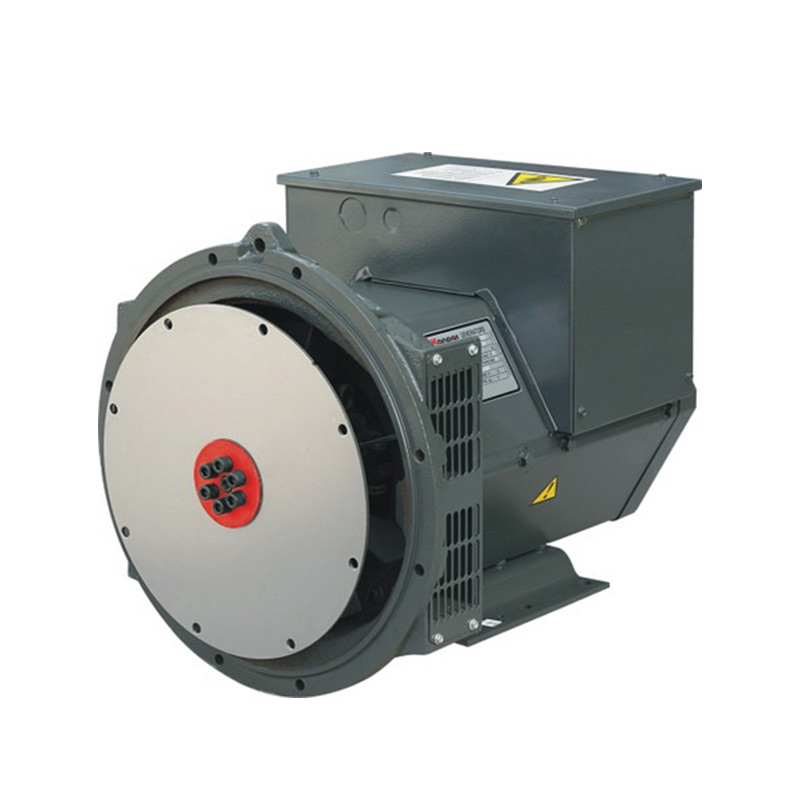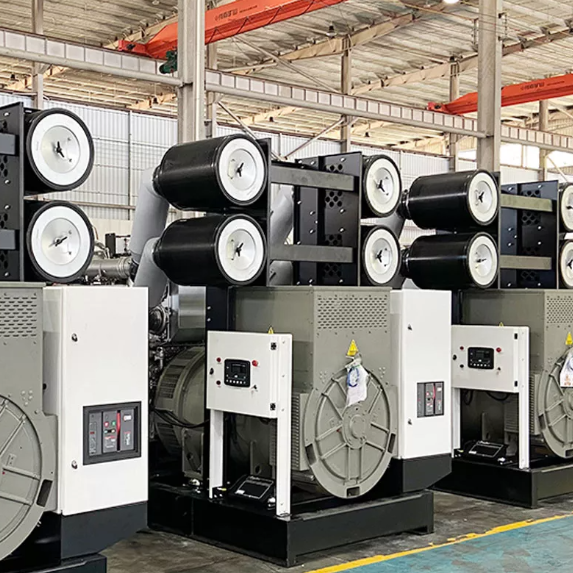
Have you ever wondered why an alternator uses kVA ratings instead of Watts? This common puzzle often confuses buyers looking for reliable power.
While Watts measure actual work, kVA reflects the physical limits of the machine's internal components. In this guide, you will learn why kVA protects your equipment and how to size it correctly.

Key Takeaways
● Standard Capacity: Manufacturers rate an alternator in kVA because it represents the total electrical capacity regardless of the power factor.
● Thermal Protection: kVA ratings protect the internal windings of the alternator by setting clear limits on current and voltage to prevent overheating.
● Apparent vs. Real Power: While Watts measure the actual work performed, kVA measures the total flow that the alternator must manage.
● Sizing Accuracy: Choosing an alternator based on kVA accounts for inductive loads, ensuring your power system remains stable and reliable.
● The 0.8 Rule: Most professional units assume a 0.8 power factor, meaning a 100kVA machine typically supports 80kW of real power.
The Core Science: Apparent Power vs. Real Power in an Alternator
To understand why we rate an alternator in kVA, we must distinguish between two types of electrical power. kVA represents Apparent Power. Think of it as the total electrical pressure (Voltage) and flow (Amperage) that the system must circulate. It is the raw capacity of the electrical "pipes."
In contrast, Watts (or kW) represent Real Power. This is the energy actually consumed to perform work, such as spinning a motor shaft, heating an element, or illuminating a room. The bridge between these two is the Power Factor (PF). This decimal value (ranging from 0 to 1.0) determines how much of the supplied kVA effectively converts into usable Watts.
Mathematically, these units relate through a vector sum rather than simple addition. While complex calculus defines the waveforms, the practical takeaway is simple: $kW = kVA \times PF$. Manufacturers use kVA because they cannot predict your specific load. One customer might connect pure resistive heaters (PF 1.0), while another connects heavy industrial motors (PF 0.7). By rating the alternator in kVA, the manufacturer guarantees the machine’s total capacity regardless of how efficiently the end-user utilizes that energy.
The "Beer Mug" Analogy:
Imagine a glass of beer. The liquid is the Real Power (Watts)—the part that actually quenches your thirst. The foam at the top is the Reactive Power (kVAR)—it takes up space in the glass but doesn't do the work. The total size of the glass represents the Apparent Power (kVA). You must pay for a glass large enough to hold both the beer and the foam.
Unit | Term | Description |
kVA | Apparent Power | Total capacity (Volts x Amps) |
kW | Real Power | Actual work performed |
PF | Power Factor | Efficiency of the power usage |
Why Alternator Thermal Limits Dictate kVA Ratings
The primary enemy of any alternator is heat. Internal copper windings have a specific resistance, and as current flows through them, they generate heat ($I^2R$ losses). If the current exceeds the design limit, the insulation melts, leading to catastrophic failure.
An alternator has fixed limits for both voltage and current. It does not matter if the current is "working" (Real Power) or just "oscillating" (Reactive Power); the copper windings feel the same thermal stress. If you connect a load with a very low power factor, the alternator may need to push a massive amount of current to deliver a small amount of Wattage.
Even if your Wattage requirements are low, a high kVA demand can cause the machine to overheat. Rating in kVA ensures the user knows the absolute maximum current the alternator can safely provide without burning out its internal windings.
The Role of Power Factor in Alternator Performance
Power factor describes how much the current lags or leads the voltage. Most industrial equipment, like motors and transformers, creates Lagging Loads (inductive). These loads require extra energy to create magnetic fields, which increases the kVA demand without increasing the Watts.
When an alternator faces a poor power factor (e.g., 0.4 or 0.5), it must work significantly harder. It has to produce more internal excitation to maintain the output voltage. This strain directly impacts the Automatic Voltage Regulator (AVR). If the kVA demand is too high, the AVR may struggle to stabilize the system, leading to flickering lights or equipment resets.
● Inductive Loads (Lagging): Motors, fans, and compressors. They pull more kVA than kW.
● Resistive Loads (Unity): Heaters and incandescent bulbs. kVA and kW are equal.
● Capacitive Loads (Leading): Certain specialized electronics or long cable runs.
Comparing kVA and Watts in Practical Alternator Sizing
Choosing an alternator based solely on Watts is a dangerous gamble. If you have a 10kVA alternator and attempt to pull 10kW from it while running a load with a 0.7 power factor, you are actually demanding over 14kVA from the machine. This 40% overload will likely trigger a circuit breaker or cause permanent thermal damage.
Using kVA as the standard creates a universal language for engineers. It ensures that the alternator operates within its "Safe Operating Area." When you size by kVA, you account for the total electrical burden, including the "wasted" reactive power that inductive machinery requires to function.
Identifying Inductive Loads That Demand High kVA
B2B operators must identify which machines in their facility are "kVA hungry." Electric motors and compressors are the most common culprits. Upon startup, these devices can pull 5 to 7 times their running current. This massive inrush is a kVA-heavy event that can stall an undersized alternator.
Other "hidden" kVA consumers include large banks of fluorescent lighting and high-voltage transformers. While their Wattage might seem manageable on a utility bill, their impact on a local alternator is much more severe. To mitigate this, many facilities use capacitor banks for Reactive Power Management. This helps align the Watts closer to the kVA, effectively "cleaning" the power and reducing the stress on the generator.
Cost and Efficiency Implications for Alternator Buyers
There is a noticeable price gap between a consumer-grade generator rated in Watts and a professional alternator rated in kVA. Professional units are built with heavier copper and superior insulation to handle the continuous current associated with high kVA demands.
While fuel consumption is primarily tied to the Watts (the actual work being done), the physical wear and tear on the engine and alternator components is tied to kVA. Running at a high kVA but low PF means your engine is spinning a heavy magnetic load without producing much useful work, leading to "wet stacking" or carbon buildup in diesel engines.
Maintenance Checklist for High kVA Operation:
● Check AVR Health: Ensure the regulator isn't overheating while compensating for low PF.
● Inspect Insulation: Look for discoloration in the windings which indicates thermal stress.
● Monitor Fuel-to-Power Ratio: A sudden drop in efficiency often points to reactive power issues.
How to Convert kVA to Watts for Your Alternator Needs
Finding the right balance requires a few simple calculations. You can find the necessary data on the nameplate of your alternator and your connected equipment.
The Standard Formula:
$kW = kVA \times PF$
$kVA = \frac{kW}{PF}$
If you are running a 100kVA alternator with a standard 0.8 PF rating, it can safely provide 80kW of real power. However, if your load's PF is only 0.6, that same machine can only support 60kW. Most experts recommend leaving 20% "headroom" in your calculations. This safety margin accounts for aging components, ambient temperature increases, and unexpected spikes in demand.
Conclusion
Rating an alternator in kVA protects both the machine and your operations. This standard accurately measures thermal capacity regardless of the connected load. By choosing high-quality equipment from dcgenset, you ensure stable voltage and cool internal windings. Our professional power solutions help you avoid sizing mistakes and guarantee long-term reliability. Understanding these technical standards ensures your power source stays efficient for years.
FAQS
Q: Why is kVA used to rate an alternator instead of Watts?
A: An alternator uses kVA to reflect total electrical capacity and current limits, protecting internal components from heat.
Q: How do I convert kVA to kW for my alternator?
A: Multiply the alternator kVA rating by the power factor (typically 0.8) to find the real power in kilowatts.
Q: Can a low power factor damage an alternator?
A: Yes, it forces the alternator to handle higher current, which can lead to overheating even at low Wattage.
Q: What is the main advantage of kVA sizing?
A: It provides a universal safety standard that ensures your power source can handle reactive loads without failing.