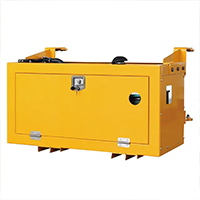
Transporting temperature-sensitive cargo in 2026 requires more than just a truck and a container. It demands a reliable, cost-effective power source that keeps your goods frozen or chilled regardless of the outside environment. As global supply chains face fluctuating fuel costs and stricter emission standards, understanding the Reefer Generator price landscape for 2026 is critical for logistics managers and owner-operators alike.
This guide breaks down the current market pricing, technical specifications, and regulatory factors influencing the cost of reefer gensets this year.
Projected Reefer Generator Price Trends for 2026
The price of a Reefer Generator in 2026 is influenced by a combination of material costs, new engine technologies, and shipping logistics. While raw material prices for steel and copper have stabilized compared to the volatility of 2024, the integration of "Smart" monitoring systems has added a premium to base models.
Currently, a standard diesel-powered Reefer Generator for international shipping containers ranges from $3,500 to $12,000 USD for new units. Used or refurbished units often enter the market between $1,500 and $4,500 USD. These prices vary significantly based on the mounting style and the cooling capacity required for different cargo types, such as pharmaceuticals or frozen seafood.
Key Factors Influencing 2026 Pricing:
Emission Compliance: Units meeting the latest EPA Tier 4 Final or EU Stage V standards carry a 15-20% price premium due to advanced exhaust after-treatment systems.
Technological Integration: Gensets equipped with IoT sensors for remote fuel monitoring and temperature alerts are now the industry standard, adding roughly $500–$800 to the unit price.
Regional Demand: Logistics hubs in Asia-Pacific and North America are seeing higher demand, which can lead to localized price spikes during peak harvest or shipping seasons.
Comparing Costs by Mounting Type: Undermount vs. Clip-on
One of the biggest decisions affecting the price of your Reefer Generator is how it attaches to your equipment. Each mounting style serves a specific logistics purpose and comes with its own price bracket.
Clip-on Type Price Points
The Clip-on style is designed to attach directly to the upper front of a refrigerated container. It is highly versatile because it can be easily moved from one container to another. In 2026, a new Clip-on Reefer Generator typically costs between $7,500 and $11,500. These units are favored by shipping lines that need to provide power for containers during port-to-door transit where the trailer doesn't have a built-in power source.
Undermount and Slide Mount Type Costs
For long-haul trucking, the Undermount or Slide Mount Type is the preferred choice. These units are bolted to the chassis of the trailer. This position lowers the center of gravity and protects the unit from some overhead debris.
Undermount units generally range from $4,000 to $8,500.
Slide Mount Type gensets, which offer easier access for maintenance, sit in a similar price range but might involve slightly higher installation costs.
The Premium for High Capacity and Freezer Type Units
Not all cargo is created equal. While a standard unit can maintain a "chilled" state for fruits, a Freezer Type Reefer Generator must work significantly harder to maintain temperatures as low as -30°C.
High Capacity Performance
If you are moving large 40ft or 45ft high-cube containers through extreme heat (such as desert routes), you will need a High capacity Reefer Generator. These units have larger cooling fans and more robust engines to ensure the compressor never loses power.
Energy Efficiency and Fuel Savings
While the upfront cost of a High capacity unit is higher, they often feature better fuel mapping software. In 2026, fuel efficiency is a major part of the "total cost of ownership." A unit that consumes 0.5 liters less fuel per hour can save an operator thousands of dollars over a single year of heavy use.
Why "Low Noise" Models Are Trending in 2026
As urban centers expand, noise pollution regulations are becoming stricter. Many ports and residential-adjacent warehouses now mandate the use of Low noise equipment for overnight operations.
The Technology of Silence
A Low noise Reefer Generator utilizes specialized acoustic enclosures and vibration-dampening mounts. Manufacturers have also redesigned cooling fans—often the loudest part of a genset—to move more air with less decibel output.
Pricing the Quiet Advantage
Designing an engine to run cool while being "wrapped" in sound-deadening material is a significant engineering feat. Consequently, a Low noise Reefer Generator usually costs about 10% to 15% more than a standard open-frame unit. However, this investment prevents fines in noise-restricted zones and increases the resale value of the asset.
Technical Specifications Breakdown
When evaluating a Reefer Generator price, you must look at the technical "guts" of the machine. The following table illustrates the typical specs you will encounter in 2026 models.
| Feature | Standard Unit | Premium High-Capacity Unit |
| Power Output | 15 kW / 18.75 kVA | 20 kW / 25 kVA |
| Fuel Tank Size | 50 - 65 Gallons | 80 - 120 Gallons |
| Engine Type | 4-Cylinder Diesel | Turbocharged 4-Cylinder |
| Mounting | Undermount / Clip-on | Slide Mount Type / Clip-on |
| Price (Estimated) | $4,500 - $7,000 | $8,500 - $12,500 |
| Noise Level | Standard (78 dB) | Low noise (65 dB) |
Maintenance Costs in 2026
Beyond the purchase price, you must budget for maintenance. A Reefer Generator requires oil and filter changes every 250 to 500 hours. In 2026, digital logbooks linked to the engine's ECU make it easier to track these intervals, but specialized Tier 4 parts (like DPF filters) can be more expensive to replace than older, simpler components.
How Emissions Regulations Drive Market Costs
One of the biggest questions we hear is: "Why did prices go up so much compared to five years ago?" The answer lies in the exhaust pipe.
The Impact of Tier 4 Final and Tier 5
In February 2026, the industry is already looking toward "Tier 5" standards in certain regions like California (CARB). To meet these goals, a Reefer Generator must now include:
DOC (Diesel Oxidation Catalyst): To reduce CO and Hydrocarbons.
DPF (Diesel Particulate Filter): To catch soot.
SCR (Selective Catalytic Reduction): Using DEF (Diesel Exhaust Fluid) to lower NOx emissions.
The Cost of Compliance
Adding these components isn't just about the parts; it's about the computer systems needed to manage them. A modern Reefer Generator is as much a rolling computer as it is a power plant. This complexity is baked into the 2026 price tag, but it results in a machine that is better for the environment and often more reliable due to the sheer amount of self-diagnostic data available.
Strategic Buying: New vs. Used Reefer Gensets
Choosing between a new or used Reefer Generator depends on your route's "criticality." If you are hauling $500,000 worth of frozen vaccines, a breakdown is not an option.
Benefits of Buying New
Buying a new Reefer Generator in 2026 gives you the latest fuel-saving technology and a full factory warranty (typically 1-2 years). Most new units also come with a 5-year "emissions warranty," which is vital if you operate in strictly regulated zones.
The Value in Refurbished Units
If your budget is tight, a refurbished Undermount unit can be a great deal. Look for units that have had a "top-end" engine overhaul and a new alternator.
Conclusion
The 2026 Reefer Generator market reflects an industry in transition. While prices for a Clip-on or Undermount unit have risen due to technological and regulatory pressures, the units are more efficient, quieter, and smarter than ever before. Investing in a High capacity or Low noise model today can save you significant operational costs tomorrow by avoiding city fines and reducing fuel consumption.
FAQ
Q: Can I use a standard portable generator for a reefer container?
A: No. A Reefer Generator is specifically designed to provide the 460V/3-phase power required by refrigerated containers. Standard portable generators do not have the correct voltage or the ruggedness to handle the vibration of constant road travel.
Q: How long does a reefer genset typically last?
A: With proper maintenance, a high-quality diesel engine in a genset can last between 20,000 and 25,000 operating hours.
Q: What is the most fuel-efficient reefer generator in 2026?
A: Look for models featuring "Variable Speed" technology. These units adjust the engine RPM based on the cooling demand, rather than running at full throttle constantly, saving up to 20% on fuel.
Our Factory and Expertise in Cold Chain Solutions
We are a professional manufacturer with decades of experience in the power generation industry, specifically focused on high-performance Reefer Generator solutions. Our factory utilizes advanced automated production lines to ensure every unit—whether it is an Undermount chassis type or a Low noise Clip-on—meets rigorous durability standards before it leaves our floor. We understand the high-stakes nature of the B2B cold chain market, which is why we provide global after-sales support and highly customizable options for our international partners. From providing High capacity power for industrial fleets to developing bespoke Slide Mount Type units for specific trailer designs, we pride ourselves on being a reliable backbone for your logistics operations. Our strength lies in our technical innovation and our commitment to helping our clients reduce their total landed costs through superior fuel efficiency and engine longevity.


