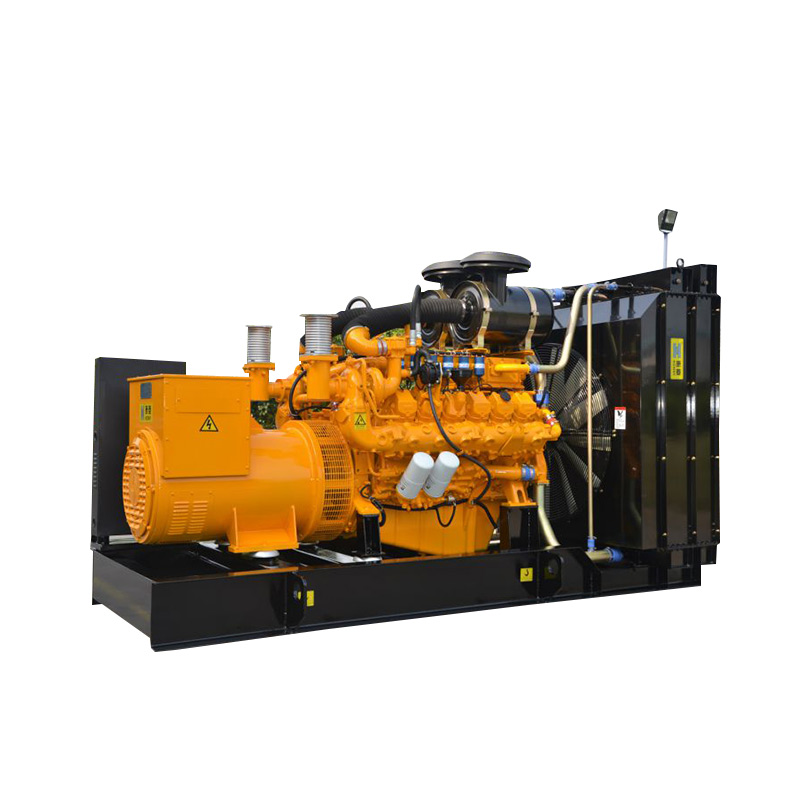
Choosing between an LPG (liquefied petroleum gas) and a natural gas generator is rarely just a preference. It dictates your facility's operational resilience. It also directly influences your upfront capital expenditure (CapEx) and long-term operating expenses (OpEx). Both options provide reliable commercial gas power. They successfully eliminate the severe fuel-degradation risks associated with standard diesel. However, they operate under fundamentally different logistical and thermodynamic constraints.
Facility managers face mounting pressure to secure continuous power. Selecting the wrong fuel source can lead to unexpected downtime. It might also inflate your infrastructure costs unnecessarily. This guide breaks down the critical physical properties of both fuels. We detail the unique infrastructure requirements and financial realities you must consider. By understanding these specific factors, you can effectively finalize your evaluation. You will confidently specify the exact gas generator set your site demands.
Key Takeaways
**Performance Realities:** LPG offers higher energy density, but many manufacturers use LPG to establish the "nameplate" maximum power rating, meaning output may drop when running the same unit on natural gas.
**Infrastructure Dictates Choice:** Natural gas relies on vulnerable but continuous municipal pipelines; LPG provides complete off-grid autonomy but requires strict tank maintenance and fuel delivery logistics.
**Cost Dynamics:** Natural gas typically offers a lower long-term OpEx, while LPG may present higher fuel and storage costs but avoids utility dependency.
**Emissions:** Both qualify as **low emission generator** options, but natural gas burns slightly cleaner per million BTUs.
The Physics of Power: Energy Density and "Nameplate" Output Ratings
We must first examine the core thermodynamics. The raw energy differences between these fuels directly impact heavy equipment performance. Propane yields approximately 93 MJ/m³. This translates to roughly 2,516 BTU per cubic foot. Natural gas yields about 38 MJ/m³. This provides only 1,030 BTU per cubic foot. Propane carries over twice the raw energy density.
This density discrepancy heavily influences engine combustion. It changes how the internal components manage sudden load spikes. Heavy industrial equipment relies on immediate, stable power delivery. Higher energy density helps engines maintain consistent RPMs during large load steps. Motors starting up draw massive inrush currents. LPG compensates for this surge slightly faster due to its rich energy profile.
However, this difference creates a well-known industry trap. Many manufacturers test bi-fuel units using LPG initially. They use these specific LPG test results to define the "nameplate" peak output rating. Buyers often purchase these machines expecting full capacity on any fuel.
Running the exact same machine on a natural gas line changes things entirely. You will often experience a 10% to 20% power deration. This loss of overall output surprises many facility managers. It can leave critical building systems dangerously underpowered during emergencies. Always size your natural gas generator based on its specific natural gas output rating. Never rely solely on the headline marketing numbers.
Site Infrastructure & Fuel Security (The "Availability" Test)
Fuel availability ultimately determines your system's true reliability. Natural gas relies heavily on municipal pipeline access. This provides a massive logistical advantage for continuous operation. You receive a continuous, uninterrupted fuel supply directly to the unit. It entirely eliminates the need for messy site refueling.
Natural gas serves as an ideal choice for prime power applications. Urban centers and heavy industrial zones typically offer excellent pipeline infrastructure. However, these pipelines carry unique localized risks. During severe natural disasters, utility companies take extreme precautions. Earthquakes and extreme freezes threaten underground pipeline integrity. Utilities may preemptively shut off pressurized pipelines across entire neighborhoods. They execute this to prevent catastrophic explosions.
Conversely, a liquefied gas generator set provides stored autonomy. It guarantees 100% independence from vulnerable municipal utilities. Unlike diesel or gasoline, LPG boasts an infinite fuel shelf life. The liquid never degrades, separates, or forms sludge inside the tank. This chemical stability makes it excellent for remote locations. Off-grid facilities and highly critical standby applications benefit immensely.
Yet, LPG systems face strict supply chain dependency. Your backup power strictly relies on local delivery trucks. Regional emergencies severely disrupt standard road networks. Blizzards, floods, and hurricanes make roads impassable. Delivery trucks may not reach your remote site in time. Your reserve storage tank could easily run dry before help arrives.
Fuel Type
Supply Source
Primary Advantage
Critical Vulnerability
Natural Gas
Municipal Underground Pipelines
Continuous flow, no refueling required.
Preemptive utility shutoffs during disasters.
LPG (Propane)
On-site Pressurized Tanks
Complete grid independence, infinite shelf life.
Reliance on local delivery truck availability.
CapEx vs. OpEx: Financial Breakdown
Capital expenditure and operating expenses dictate your long-term budget reality. We must evaluate the initial installation costs first. Natural gas systems boast a significantly lower equipment footprint. You avoid purchasing massive bulk storage tanks. However, you must invest heavily in upfront utility trenching. Specialized high-volume gas metering requires expensive professional installation. Heavy-duty plumbing runs add significant labor hours to the final CapEx.
LPG installations demand completely different upfront investments. You must purchase or lease high-pressure storage tanks immediately. The site requires reinforced concrete pads to support massive tank weights securely. You also pay upfront for the initial bulk fuel delivery. These combined infrastructure requirements often add 20% to 30% to your initial setup cost.
Operating expenses tell a notably different story over time. Natural gas generally offers a substantially lower cost per runtime hour. Regional utility rates fluctuate, but natural gas often proves cheaper. It can be 40% to 60% cheaper than LPG during extended outages.
Maintenance realities balance these financial scales slightly. Both fuels provide exceptionally clean engine combustion. They practically eliminate hard carbon buildup inside the engine cylinders. This clean burn extends overall engine life significantly compared to diesel. LPG systems do require additional ongoing maintenance layers, though. You must schedule routine pressure testing for the storage tanks. Technicians must perform regular mechanical valve inspections. Active leak checks on storage vessels remain a mandatory compliance task.
Environmental Compliance and Safety Standards
Emissions auditing matters more than ever for modern facilities. We must compare the baseline carbon footprints accurately. Natural gas releases roughly 117 lbs of CO2 per MMBtu. LPG releases about 139 lbs of CO2 for the exact same energy output. Natural gas burns slightly cleaner across the board.
These specific figures directly impact corporate ESG reporting. Local air quality permitting boards monitor these exact numbers closely. Selecting a true low emission generator simplifies your strict regulatory approvals. It helps you bypass heavy fines in strict emission zones.
Safety codes govern equipment placement rigorously. Both generator types demand strict minimum clearance zones. Installers must place units at least 5 feet away from building openings. Crews must route hot exhaust safely away from ventilation intakes. This absolute rule prevents lethal carbon monoxide ingestion.
We must also understand distinct physical gas behaviors. Natural gas remains lighter than ambient air. It dissipates upward rapidly if a mechanical leak occurs. LPG is significantly heavier than air. A ruptured tank leak causes highly dangerous gas pooling. The invisible gas settles quickly into local trenches, basements, and low-lying areas. This behavior requires specialized sensor placements. Site grading must actively prevent explosive gas accumulation around the heavy equipment.
5-Point Evaluation Framework: Finalizing Your Decision
Facility managers and engineers need a rapid shortlisting logic. Follow this strict 5-point evaluation framework to specify your fuel source.
Pipeline Feasibility: Is commercial-grade natural gas piping available right at the installation site? You must also verify the municipal pressure is sufficient for the generator's peak demand.
Application Type: Are you installing this for Prime Power or Emergency Standby? Prime applications favor natural gas due to lower running costs. Standby scenarios in disaster zones heavily favor LPG for true autonomy.
Space Constraints: Can the physical site safely accommodate minimum clearance regulations? Bulk LPG storage tanks require massive footprints and strict distancing from property lines.
Load Tolerance: Does the site's absolute critical load exceed the derated output of a natural gas configuration? If so, you must upsize the engine block to compensate.
Hybrid Redundancy: Do you need a dual-fuel or tri-fuel configuration? Highly sensitive sites use these systems to mitigate both pipeline shutoffs and truck delivery failures simultaneously.
Conclusion
The core choice between an LPG generator vs natural gas generator comes down to facility constraints. You must weigh your fuel availability against your organizational risk tolerance. Do not make this decision based merely on brand preference. You need to map out your infrastructure capabilities honestly.
Evaluate your local utility reliability and disaster history first.
Calculate your physical space limitations for heavy tank storage.
Factor in the necessary power deration if selecting natural gas.
As a crucial next step, consult a certified electrical contractor or mechanical engineer. Have them conduct a thorough site load audit and utility pressure test. Complete this technical assessment before committing to any major procurement.
FAQ
Q: Can a natural gas generator be converted to run on LPG (or vice versa)?
A: Yes. Many manufacturers offer specialized conversion kits. These kits involve carburetor or orifice changes and precise regulator adjustments. However, doing so requires completely recalibrating your output expectations. You must also ensure the modification strictly complies with your manufacturer's warranty.
Q: Which fuel is better for extreme cold weather?
A: Both perform extremely well, but LPG requires proper tank sizing. You must ensure the liquid can vaporize at required rates in sub-zero temperatures. Natural gas remains less susceptible to freezing. It functions perfectly unless the municipal pipeline infrastructure itself fails.
Q: Do gas generators require different transfer switches than diesel models?
A: The automatic transfer switch (ATS) functions the exact same way regardless of fuel type. It monitors voltage drops universally. However, gas generators may require specific load management modules. These modules prevent stalling if the unit runs too close to its maximum derated capacity.
DONGCHAI POWER devotes itself to manufacuring and maintenance of different types generator, diesel generator, gas generator, silent generator, reefer generator, container generator and sychronization generator.