When buyers compare generator options, one of the most common questions is not only how much a unit costs to purchase, but how much it will cost to keep running over the years. That question becomes even more relevant with quiet diesel generators, because these models include sound-reducing structures, enclosed canopies, ventilation systems, and other design features that make them different from open-frame units. On the surface, it seems reasonable to assume that a quieter machine must always cost more to maintain. In reality, the answer is more nuanced. Maintenance costs depend on the generator’s design quality, service accessibility, operating environment, load profile, and how consistently routine maintenance is performed. A quiet diesel generator may carry some added service considerations, but it can also protect internal components more effectively and reduce certain long-term risks. The real issue is not whether quiet diesel generators are automatically more expensive to maintain, but whether their overall maintenance profile matches the application they are built for.
Understanding What Makes Quiet Diesel Generators Different
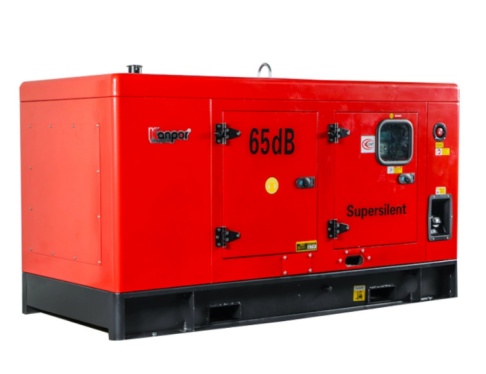
A quiet diesel generator is designed to reduce operational noise without sacrificing output stability. Compared with open-type generators, it usually includes a sound-attenuated enclosure, better airflow routing, insulated panels, vibration-reducing structures, and an integrated fuel tank or compact housing layout.
These added elements do change maintenance in a few ways:
· technicians often need to open access doors or panels before reaching components
· airflow pathways and soundproof materials need periodic inspection
· enclosure cleanliness matters more because dust buildup can affect cooling
· hinges, locks, seals, and anti-vibration fittings become part of the service checklist
That said, these same features can also protect the engine and alternator from weather, debris, and accidental contact. So while the service process may involve a few more inspection points, the machine can benefit from better protection in return.
What Maintenance Costs Usually Include
Many buyers think of maintenance as oil changes only, but generator upkeep is broader than that. Whether the unit is open or soundproofed, the main maintenance cost categories are usually similar.
Routine Service Items
These include the standard tasks expected on most diesel units:
· engine oil replacement
· oil filter replacement
· fuel filter replacement
· air filter inspection or replacement
· coolant inspection
· battery testing
· belt and hose checks
· fuel system inspection
Structural and Auxiliary Checks
This is where a silent diesel generator maintenance plan differs slightly from an open unit. On quiet models, service teams may also need to inspect:
· acoustic enclosure panels
· ventilation openings
· fan performance
· soundproof material condition
· door seals and lock systems
· anti-vibration pads or mounts
· exhaust insulation and muffler connections
These are not always expensive items, but they do add to the maintenance checklist.
Where Quiet Models May Cost a Bit More
There are real reasons why maintenance costs can be higher on some quiet units. It is best to acknowledge them directly rather than treating every generator as identical.
Access Can Be More Time-Consuming
Open generators expose most engine and alternator components immediately. By contrast, enclosed units require service access through side doors or removable panels. If the internal layout is compact, routine service may take longer.
A well-designed canopy can minimize this problem, but poorly designed models often increase labor time.
Ventilation Must Be Kept in Good Condition
Low-noise designs rely on carefully managed airflow. If vents are blocked or the radiator area is dirty, internal temperatures can rise. That means operators need to pay closer attention to cleaning and airflow inspection.
More Components Mean More Inspection Points
Any time a machine includes more structural or support components, there are more items that can wear out. Rubber seals, hinges, latches, soundproof linings, and vibration absorbers may all need periodic attention, especially in demanding sites.
Replacement Parts May Differ by Model
For some models, enclosure-specific parts are not as universal as standard filters or belts. If the generator brand does not provide good parts support, maintenance costs can increase simply because the correct replacement items are harder to source.
Where Quiet Models Can Save Money Over Time
The conversation changes when we move beyond service labor and look at long-term ownership. In some cases, quiet generators are actually the more economical choice.
Better Protection from the Environment
A soundproof canopy often acts as a protective shell. It helps reduce direct exposure to rain, dust, and harsh sunlight. In outdoor use, this can reduce rust, contamination, and premature wear.
Lower Risk of Accidental Damage
Enclosed generators are less likely to be bumped, tampered with, or exposed to loose debris. This matters on construction sites, commercial facilities, and temporary power projects.
Improved Operating Suitability
In hospitals, residential zones, telecom stations, hotels, and event sites, open-frame diesel units may create operational or compliance problems because of noise. Quiet models help avoid those issues and reduce the chance of complaints, relocation costs, or added sound barriers.
More Stable Condition in Frequent-Use Applications
A properly designed low noise diesel generator service cost profile may actually be more predictable in continuous or standby applications because the unit is built for controlled operation in noise-sensitive environments.
Cost Comparison at a Practical Level
The table below shows how maintenance differences are typically viewed in practice. Actual costs vary by model, load, climate, and service interval, but this comparison helps clarify the main idea.
Maintenance Area | Open Diesel Generator | Quiet Diesel Generator |
Oil and filter service | Standard | Standard |
Air filter service | Standard | Standard, but airflow cleanliness matters more |
Cooling system checks | Important | Very important due to enclosed airflow design |
Access time for service | Usually faster | Sometimes slightly longer |
Noise control component checks | Not applicable | Required periodically |
Exposure to weather and dust | Higher | Lower |
External corrosion risk | Higher in outdoor use | Often reduced with enclosure protection |
Site compliance in noise-sensitive areas | More difficult | Easier |
Long-term protection of internal parts | Lower | Often better |
The key takeaway is that the maintenance burden of quiet diesel genset operating expenses is not defined by one factor alone. Slightly higher inspection needs may be balanced by better equipment protection.
Factors That Influence Maintenance More Than Noise Design
When buyers focus only on the word “quiet,” they sometimes miss the bigger reasons generator maintenance becomes expensive. In our experience, the following issues usually have a greater impact than the enclosure itself.
Build Quality
A high-quality quiet generator from a reliable manufacturer is often easier to maintain than a poorly made open generator. Service access, panel layout, airflow engineering, and component matching make a major difference.
Load Management
Generators that run at unstable or inappropriate load levels often develop more carbon buildup, wet stacking, and engine stress. This can raise maintenance costs regardless of whether the unit is quiet or open.
Operating Environment
Dust, humidity, heat, salt air, and irregular use patterns can all increase service needs. A quiet generator may handle these conditions better if its enclosure is robust and well ventilated.
Maintenance Discipline
Even the best machine becomes expensive if operators skip oil changes, ignore alarms, or delay basic checks. Preventive maintenance has a larger effect on ownership cost than noise control features alone.
Application Type
A generator used occasionally as emergency backup has a different maintenance pattern from one used daily for prime power. The service profile should always be judged in relation to the application.
Conclusion
In our view, quiet diesel generators do not automatically cost more to maintain in any way that makes them a poor investment. Yes, some models involve slightly more service attention because of enclosure components, airflow inspection, and access considerations. But those added tasks can be offset by better protection, improved suitability for noise-sensitive sites, and more controlled long-term operation. The most important factor is not whether the unit is quiet, but whether it is well designed, properly matched to the application, and supported with responsible maintenance. At Fuan Dong Chai Power Co.,Ltd., we believe buyers get the best results when they look beyond the purchase price and consider lifetime performance, service practicality, and operating environment together. If you are comparing generator solutions and want a clearer view of maintenance, durability, and low-noise operation, you are welcome to learn more from Fuan Dong Chai Power Co.,Ltd. and discuss which type of generator best fits your project.
FAQ
1. Are quiet diesel generators harder to service than open generators?
They can be slightly more time-consuming to service because technicians must work through the enclosure, but well-designed access doors and internal layout can reduce that difference significantly.
2. Do soundproof enclosures reduce generator wear?
In many cases, yes. A quality enclosure can help protect the generator from dust, rain, sunlight, and accidental impact, which may reduce external wear and contamination.
3. What causes maintenance costs to rise the most on a diesel generator?
Poor maintenance habits, incorrect loading, dirty operating environments, and low-quality parts usually increase maintenance costs more than the quiet design itself.
4. Is a quiet diesel generator worth it for commercial use?
For many commercial, residential-adjacent, telecom, event, and standby applications, yes. Lower noise, better site compatibility, and more protected operation often make the investment worthwhile.


