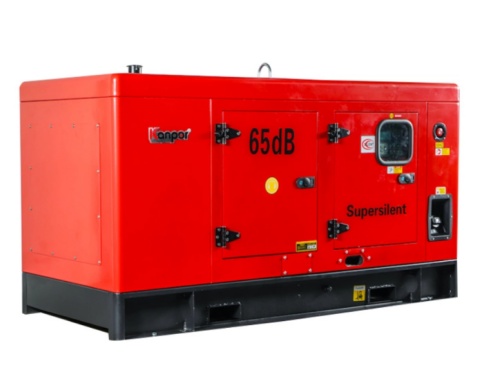
When buyers compare silent diesel generators with standard diesel generators, they often assume the difference is only about sound. In reality, the gap is much broader. A silent model is usually built around the same fundamental power-generation principle as a conventional diesel generator, but it adds an engineered enclosure, exhaust silencing, airflow control, and structural protection that change how the machine behaves on site. That affects not only noise output, but also installation options, weather resistance, service routines, compliance, and total project suitability. For factories, commercial buildings, rental fleets, construction sites, farms, hospitals, and residential backup projects, choosing between the two is less about which one is “better” in general and more about which one fits the operating environment. In that sense, the real question is not simply how loud the generator is, but how the full package performs once it is installed and expected to run reliably for years.
What Do We Mean by “Silent” and “Standard”?
In most market discussions, a standard diesel generator usually refers to an open-set or more conventional configuration, where the engine, alternator, and base frame are not surrounded by a full acoustic canopy. By contrast, silent diesel generators are typically supplied with a sound-attenuated enclosure, and OEM specifications commonly describe these units with features such as enclosed exhaust systems, insulated panels, louvers, lockable access doors, and integrated noise-reduction design.
It is also worth clarifying one common misconception: “silent” does not mean zero noise. It is an industry term for sound-attenuated or soundproofed designs. Cummins, for example, publishes different enclosure levels and shows full-load sound figures at 7 meters rather than claiming absolute silence; its brochure lists enclosure packages ranging from weather-protective to Level I, Level II, and Level III sound attenuation.
The Main Structural Difference Is the Enclosure
The biggest physical difference between silent diesel generators and standard units is the outer structure around the generating set.
What silent diesel generators add
Silent models typically include:
· Acoustic insulation
· Sound-attenuated steel or galvanized enclosure panels
· Enclosed exhaust silencing
· Air inlet and outlet louvers
· Lockable service doors
· Corrosion-resistant construction features
· Integrated canopy-based weather protection
These are not cosmetic changes. They are functional design elements intended to reduce noise, protect internal components, and make the unit more suitable for outdoor or public-facing use. FG Wilson specifically highlights sound-attenuated enclosures, totally enclosed exhaust silencing systems, corrosion-resistant construction, and compliance-oriented enclosure design for residential or similar environments. Cummins likewise shows non-hygroscopic sound insulation, enclosed exhaust, recessed lockable doors, rodent barriers, and engineered louvers as enclosure features.
What standard diesel generators keep simple
A standard generator set usually keeps the structure simpler. Caterpillar product specifications, for instance, list a “standard open set fuel tank/base supplied,” while FG Wilson also identifies a “compact skid base for open sets” on relevant models. This simpler format can be an advantage when the unit will be installed inside a dedicated generator room, under a separate shelter, or in an industrial area where noise and weather exposure are handled externally rather than by the generator package itself.
Noise Control Is the Most Visible Difference
This is where silent diesel generators clearly stand apart. OEM data shows that sound attenuation packages can substantially reduce operating noise compared with weather-protective or open-style arrangements. In the Cummins enclosure guide, some packages move sound ratings from the upper 70s or 80s dB(A) range down toward the mid-60s or upper-60s dB(A), depending on model and attenuation level, measured at full load and 7 meters. Caterpillar also offers sound-attenuated enclosures and muffler options rated for 10, 25, and 35 dBA attenuation.
That difference matters in real projects. If the generator is near offices, apartment buildings, hotels, schools, hospitals, retail space, or any site with stricter acoustic expectations, a standard set may create avoidable problems. Caterpillar’s generator-room guidance notes that noise pollution is a major design issue and that installations may be subject to federal, state, and local requirements, while FG Wilson explicitly positions super sound attenuation for residential areas. In other words, noise is not just a comfort issue; in some cases, it is part of project compliance and site approval.
Cooling and Airflow Are Managed Differently
A common assumption is that adding an enclosure automatically makes a generator harder to cool. The truth is more nuanced. Open or standard sets have fewer physical barriers around the engine and radiator area, which can simplify access to air movement. However, silent diesel generators are not simply “boxed in.” Good canopy designs use fixed louvers, discharge paths, internal insulation layouts, and ventilation strategies to maintain cooling while reducing sound. Cummins specifically shows fixed air inlet and outlet louvers and options for vertical or horizontal discharge within its sound-attenuated enclosure design.
At the same time, airflow engineering becomes more important when attenuation is added. Caterpillar’s design guidance explains that inadequate air movement, recirculation, or added static pressure from attenuators can reduce cooling effectiveness and even lead to de-rating if temperatures rise too far. So the comparison is not “open equals good cooling, silent equals poor cooling.” A better conclusion is that standard sets are simpler from an airflow perspective, while silent sets require more deliberate enclosure engineering to balance temperature control with acoustic performance.
Maintenance and Service Access
From a service perspective, standard diesel generators are usually more direct. Because there is no full acoustic canopy to work around, technicians can often reach engine and alternator components faster. That is not an OEM sentence stated word-for-word, but it is a practical inference from open-set specifications and from the fact that enclosed models rely on doors and access panels for service. Cummins, for example, highlights lockable doors that provide service access on enclosed units, which implies that access is designed but more structured than on an exposed open set.
That does not mean silent diesel generators are difficult to maintain. A well-designed silent canopy can still offer very workable service access, especially in premium models. The difference is more about process than possibility: panels must be opened, enclosure layout matters more, and technicians need enough surrounding clearance. Caterpillar’s guidance for generator rooms also stresses accessibility, code-required clearances, and the need to remove and replace major components, which applies whether the set is open or enclosed.
A Practical Comparison Table
The table below summarizes the decision in a more practical way. The “higher/lower cost” row reflects the typical effect of added enclosure and silencing hardware, rather than a fixed market percentage.
Factor | Silent Diesel Generators | Standard Diesel Generators |
Basic Structure | Full sound-attenuated enclosure | Open-set or simpler conventional package |
Noise Output | Lower, designed for attenuation | Higher unless external treatment is added |
Exhaust Treatment | Usually integrated enclosed silencing | Often relies on more basic or external silencing |
Weather Protection | Better integrated outdoor protection | Usually needs room, shelter, or added enclosure |
Service Access | Good, but through doors/panels | Faster and more direct in many cases |
Airflow Design | More engineered inside canopy | Simpler, fewer enclosure-related restrictions |
Upfront Cost | Usually higher | Usually lower |
Best Fit | Urban, commercial, residential, public-facing sites | Industrial rooms, remote sites, controlled plant areas |
Final Thoughts from Our Side
From our perspective, the difference between silent diesel generators and standard diesel generators is not a minor product variation. It is a difference in how the generator fits the site, the people around it, and the long-term operating plan. Silent units are designed to solve more than one problem at once: they reduce noise, improve enclosure-based protection, support cleaner outdoor installation, and make the generator easier to place in noise-sensitive or customer-facing environments. Standard units remain highly relevant because they are simple, practical, and often the better answer where plant-room installation, maintenance speed, and industrial use matter most. When we compare the two for real projects, we usually start with location, noise expectations, weather exposure, and servicing conditions before we even talk about price. For readers who want to go deeper into configuration options, enclosure styles, and application matching, it is worth speaking with Fuan Dong Chai Power Co.,Ltd. We believe the most useful supplier conversation is one that starts with the actual site and load requirements, because that is usually where the best generator decision is made.
FAQ
1. Are silent diesel generators completely silent?
No. “Silent” is an industry term for sound-attenuated design, not zero-noise operation. OEM enclosure data still lists measured dB(A) values for these models, which means they are quieter than standard sets, not noiseless.
2. Do silent diesel generators produce the same kind of power as standard units?
Yes, in principle they use the same diesel engine-and-alternator power-generation concept. The major difference is the enclosure, noise-control, and packaging design around the generating set rather than a completely different electrical output concept.
3. Is a standard diesel generator always easier to maintain?
Not always, but it is often easier to access quickly because there is no full acoustic canopy around the set. Silent models can still be maintenance-friendly, though access depends more on door layout, panel design, and site clearance.
4. When is a silent diesel generator clearly the better option?
It is usually the better option when the generator will operate near homes, offices, public areas, commercial buildings, or any site where noise control, appearance, and integrated outdoor protection matter. That is exactly the kind of use case highlighted by sound-attenuated enclosure specifications aimed at residential or similar environments.


