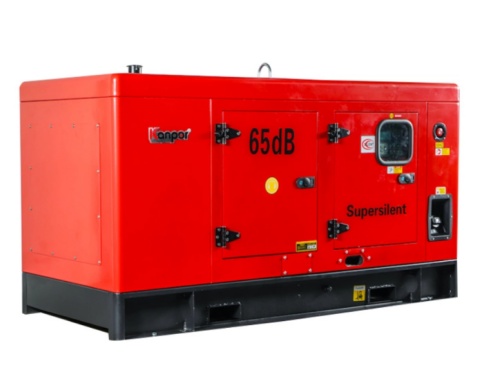
When buyers compare silent diesel generators, they often focus first on power output, fuel consumption, and noise level. Those are important, but enclosure design has just as much influence on long-term performance as the engine itself. A well-designed enclosure does far more than reduce sound. It shapes airflow, protects internal components, controls heat buildup, improves service access, and affects how easily technicians can inspect, clean, and repair the unit over time. In many real operating conditions, especially in industrial sites, commercial buildings, telecom backup systems, and outdoor applications, enclosure structure becomes the difference between a generator that runs steadily and one that suffers repeated overheating, difficult maintenance, and avoidable downtime. That is why enclosure engineering should never be treated as a cosmetic detail in silent diesel generators.
Why Enclosure Design Matters More Than Many Users Expect
A silent generator enclosure serves multiple jobs at the same time. It must reduce noise, support ventilation, resist weather, allow safe servicing, and protect the genset from dust, water, and accidental contact. These demands sometimes conflict with each other. For example, tighter acoustic control can restrict airflow if the air path is poorly planned. A compact canopy may save space, but it can also make filter replacement or radiator cleaning more difficult.
In other words, enclosure design is not simply about adding panels around an engine. It is a balance of thermal management, structural durability, acoustic insulation, and maintenance practicality. For this reason, experienced buyers often look closely at diesel generator enclosure cooling and access layout before making a purchasing decision.
The Link Between Cooling Performance and Airflow Path
Cooling in silent diesel generators depends heavily on how air enters, moves through, and exits the enclosure. The engine, alternator, exhaust system, and radiator all produce heat. If that heat cannot leave the canopy efficiently, internal temperatures rise quickly.
A good silent diesel generator airflow design usually includes:
· properly sized inlet and outlet openings
· guided air channels that reduce recirculation
· enough space around the radiator and engine
· insulation materials placed without blocking ventilation
· fan and louver positions that support smooth air movement
If the airflow path is poorly designed, hot discharge air may circulate back into the enclosure instead of being expelled. This leads to higher coolant temperatures, reduced engine efficiency, and increased stress on electrical components. In extreme environments, such as hot climates or dusty work sites, these design weaknesses become even more visible.
How Acoustic Treatment Can Influence Heat Dissipation
Silent diesel generators are expected to control noise, but acoustic treatment must be engineered carefully. Noise-reducing materials, perforated panels, baffles, and sound barriers all affect how air moves inside the enclosure.
Acoustic baffles
Baffles help reduce sound transmission by forcing air to travel through a more controlled path. However, if the path is too narrow or overly restrictive, airflow resistance increases.
Insulation thickness
Thicker insulation may improve sound attenuation, but it also takes up internal space. That can reduce clearance around hot components and make heat concentration worse.
Vent location
Acoustic louvers and vent covers should not be positioned only for noise control. They also need to support radiator efficiency and fresh air intake.
This is why high-quality silent diesel generators are designed from the start as integrated systems. Noise reduction and cooling cannot be treated as separate steps. If they are, the result may be a quiet generator that struggles under load.
Common Enclosure Features That Improve Cooling
Not all canopies deliver the same thermal performance. Below are some enclosure features that usually make a meaningful difference.
Enclosure feature | Cooling benefit | Maintenance benefit |
Large airflow openings | Improves fresh air intake and hot air discharge | Makes internal inspection easier |
Directed ventilation channels | Reduces hot air recirculation | Helps technicians identify airflow blockages |
High-capacity radiator compartment | Supports stable temperature at full load | Simplifies radiator cleaning |
Removable service panels | Allows heat-prone zones to be accessed quickly | Speeds up routine maintenance |
Anti-dust intake design | Reduces clogging in filters and radiator fins | Lowers cleaning frequency |
Elevated base frame | Improves lower air movement and drainage | Reduces corrosion and makes cleaning easier |
Separated hot and cool zones | Prevents heat buildup near sensitive parts | Improves component life and service safety |
These features are especially important for generators running for long hours, facing variable ambient temperatures, or installed in places where shutdowns are costly.
Maintenance Access Is a Design Issue, Not Just a Service Issue
Many maintenance problems begin long before the first oil change. They begin with enclosure design. If technicians cannot reach filters, belts, wiring points, fuel lines, and drain ports comfortably, even basic service becomes slower and riskier.
A practical generator enclosure should provide enough room for technicians to:
· replace air, oil, and fuel filters
· inspect hoses and belts
· clean radiator cores and ventilation openings
· check battery connections and electrical terminals
· drain fluids safely
· remove or adjust components without disassembling half the canopy
This is where low noise diesel generator maintenance becomes closely linked with canopy structure. A generator may be technically serviceable, but if each inspection requires awkward access or partial panel removal, maintenance standards often decline over time. That eventually affects reliability.
Service Doors, Panel Layout, and Daily Usability
Some silent diesel generators look compact and neat from the outside, but the daily service experience tells a different story. Service door placement matters more than many end users realize.
Side access
Wide side doors allow technicians to inspect the engine and alternator without excessive disassembly. This is especially useful for routine checks.
Top access
Lifting points and removable top panels can simplify major repairs or component replacement.
Control panel positioning
The control system should be placed where operators can read, adjust, and troubleshoot safely without exposing themselves to hot surfaces or exhaust zones.
Drain and refill points
Well-located fluid service points reduce spills and shorten maintenance time.
An enclosure with a smart weatherproof generator canopy service access layout saves labor not only during scheduled maintenance, but also during unexpected repairs. Over the lifetime of the generator, that convenience becomes real operational value.
Why Poor Enclosure Design Leads to Overheating
Overheating in silent diesel generators is often blamed on ambient temperature, overloading, or radiator failure. Those causes are real, but enclosure-related problems are also common.
Some typical design-related causes include:
1. Undersized air inlets
The engine cannot draw enough fresh air for efficient cooling.
2. Blocked internal airflow
Structural supports, poor insulation placement, or narrow channels interrupt ventilation.
3. Hot air recirculation
Radiator discharge air returns to the intake side instead of leaving the enclosure.
4. Inadequate spacing
Components are packed too tightly, causing heat concentration.
5. Dust accumulation zones
Air passages and radiator surfaces clog too quickly because the design traps contamination.
Once these issues appear, the effects may include higher shutdown frequency, reduced full-load endurance, lower fuel efficiency, and shorter component life. In demanding applications, the enclosure is not just part of the housing. It is part of the cooling system itself.
Final Thoughts
From our point of view, enclosure design should be treated as a core engineering factor in silent diesel generators, not a secondary packaging choice. The enclosure directly affects thermal balance, airflow stability, service efficiency, and overall reliability. When the canopy is well designed, it supports lower operating temperatures, cleaner internal conditions, easier access for technicians, and more consistent performance under demanding field conditions. When it is poorly designed, even a strong engine and alternator setup can suffer from avoidable heat stress and maintenance complications. At Fuan Dong Chai Power Co.,Ltd., we believe users get better long-term value when they evaluate silent generator systems as a whole, including canopy airflow, panel access, and real servicing practicality. If you would like to understand more about enclosure structure, cooling design, or generator selection for specific operating environments, you are welcome to learn more from Fuan Dong Chai Power Co.,Ltd. and discuss the solution that best matches your project needs.
FAQ
1. Why do silent diesel generators need special enclosure airflow design?
Because the enclosure reduces noise by surrounding the generator, it also changes how air moves around the engine and radiator. Without a proper airflow path, heat can build up quickly and cause unstable operation or overheating.
2. Does a quieter enclosure always mean better generator quality?
Not necessarily. A quieter enclosure may use more acoustic treatment, but if the design restricts ventilation or makes servicing difficult, overall performance may suffer. Good quality means balancing noise control, cooling, and maintenance access together.
3. How does enclosure design affect routine maintenance time?
A well-designed enclosure includes wide service doors, logical panel placement, and accessible maintenance points. This shortens inspection time, reduces labor difficulty, and helps technicians complete routine service more safely.
4. What enclosure features are most useful for outdoor generator installations?
For outdoor use, buyers should look for strong weather protection, anti-dust airflow design, corrosion-resistant structure, efficient radiator ventilation, and practical access for cleaning and maintenance.


