Have you ever experienced a sudden power outage and wondered how to keep your home or business running? Diesel generators provide a reliable backup power solution during these times. But what exactly is a diesel generator, and why is choosing the right size crucial? In this post, you'll learn about diesel generators, their functions, and how to determine the appropriate size for your needs.
Understanding Diesel Generators
How Diesel Generators Work
Diesel generators convert diesel fuel into electrical power through an internal combustion engine connected to an alternator. When the engine runs, it spins the alternator, producing electricity. This process starts when the generator receives a signal—usually during a power outage—to begin running. The diesel engine burns fuel to create mechanical energy, which the alternator transforms into electrical energy for your equipment or building.
Types of Diesel Generators
Diesel generators come in several types, each suited for specific needs:
Portable Diesel Generators: Compact and mobile, these are ideal for temporary power needs like construction sites or outdoor events. They offer flexibility but usually have lower power outputs.
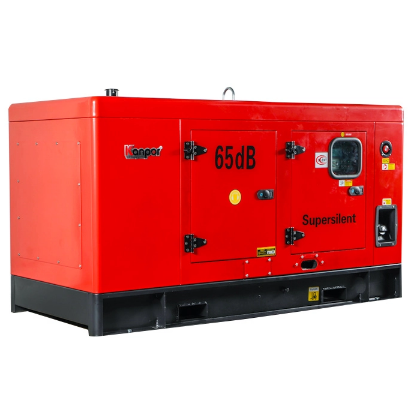
Standby Diesel Generators: Permanently installed, these units automatically activate when the main power fails. They provide reliable backup power for homes, businesses, and critical facilities.
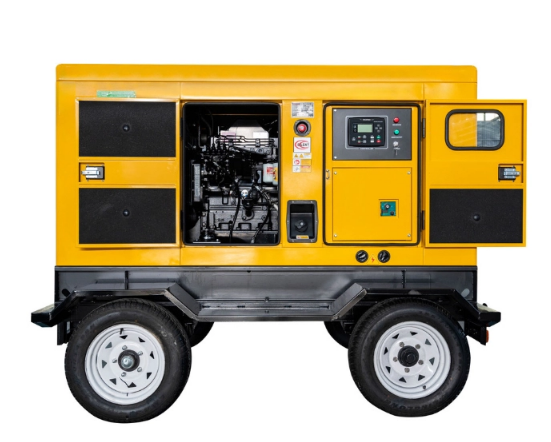
Towable Diesel Generators: Mounted on trailers, these generators combine portability with high power output, perfect for large-scale temporary power requirements.
Industrial Diesel Generators: Designed for continuous or heavy-duty use, they power factories, hospitals, and large commercial buildings.
Benefits of Using Diesel Generators
Diesel generators offer several advantages that make them a popular choice:
Fuel Efficiency: Diesel engines consume less fuel than gasoline counterparts, lowering operational costs.
Durability and Longevity: Built to withstand heavy use, diesel generators typically last longer and require less maintenance.
High Power Output: They can deliver substantial wattage, suitable for powering large equipment or entire buildings.
Safety: Diesel fuel is less flammable than gasoline, reducing fire risks.
Availability: Diesel fuel is widely accessible, making refueling convenient even during emergencies.
By understanding how diesel generators operate, their types, and benefits, you can make a more informed decision when selecting the right generator size for your needs.
Tip: When choosing a diesel generator, consider the type that best matches your power needs and usage frequency to maximize efficiency and cost-effectiveness.

Factors to Consider When Sizing a Diesel Generator
Power Requirements
The first step in sizing a diesel generator is understanding your power requirements. You need to know how much electricity your equipment or building uses. This means listing all devices and systems that will run on the generator. Each item has a power rating, usually in watts or kilowatts. Add these up to get the total power needed. Remember, some equipment like air conditioners or pumps use more power when starting up than running continuously.
Starting and Running Wattage
Generators must handle two types of wattage: starting (surge) watts and running (rated) watts. Starting watts are the extra power needed to start motors and compressors. For example, a refrigerator or air conditioner may need two to three times its running wattage to start. Running watts are the power needed to keep devices running once started. When sizing your generator, add the total running watts of all devices to the highest starting wattage of any single device. This ensures the generator can handle the initial surge without tripping or damage.
Load Types and Their Impact
Different types of electrical loads affect generator sizing. Resistive loads, like lights and heaters, draw consistent power. Reactive loads, such as motors and compressors, have variable power demands and high starting currents. Inductive loads cause a lag in current and voltage, requiring more generator capacity. Understanding the mix of loads helps avoid undersizing or oversizing. For example, a generator for a workshop with many motors must have enough reserve capacity to handle starting surges. Also, consider whether loads will start all at once or staggered over time. Staggered starts reduce peak power demand and can allow a smaller generator.
Calculating Your Power Needs
Taking Inventory of Appliances
Start by listing all the appliances and equipment you want to run on your diesel generator. Include everything from lights and refrigerators to heavy machinery and HVAC systems. Each device usually has a label showing its power consumption in watts or amps. If you see amps listed, multiply by the voltage (usually 120 or 240 volts) to find watts (Watts = Volts × Amps). For example, a device rated at 10 amps on 120 volts uses 1,200 watts.
Be sure to note both the running wattage (the power needed to keep the appliance running) and the starting wattage (the extra power required to start motors or compressors). Starting wattage can be two to three times higher than running wattage for motor-driven devices like refrigerators or pumps.
Using Wattage Charts
Wattage charts can help estimate power needs if you don’t have exact numbers for your appliances. These charts list common devices with their typical running and starting watts. For example:
| Appliance | Running Watts | Starting Watts |
| Refrigerator | 800 | 1,600 |
| Air Conditioner | 1,500 | 4,500 |
| Microwave | 1,000 | 1,000 |
| Sump Pump | 800 | 1,200 |
Use these charts as a guide to add up your total power needs. Remember, the generator must handle the highest starting wattage plus the total running wattage of all devices running simultaneously.
Real-Time Measurement Techniques
For more precise power needs, consider measuring actual electricity use in real time. Use a clamp-on ammeter to measure the current (amps) on each electrical line feeding your devices. Add these readings to find total amps. Then multiply by voltage to get total watts.
If you have three-phase power, divide total amps by three before multiplying by voltage. This method helps catch unexpected power draws and gives an accurate picture of your peak demand.
Another approach is reviewing your utility bill for peak power usage, then adding 20-30% reserve capacity to cover surges and future growth.
Putting It All Together
To size your generator correctly:
Add up all running watts for devices you want to power at once.
Find the highest starting wattage among those devices.
Add the highest starting wattage to the total running watts.
Add a safety margin of 20-30% to cover unexpected surges or future additions.
This total wattage is the minimum power your diesel generator must provide.
Choosing the Right Diesel Generator Size
Common Generator Sizes and Their Uses
Diesel generators come in a range of sizes, each suited for different applications. Here are some common size categories and their typical uses:
1 kW to 10 kW: These small generators are ideal for powering a few essential appliances in a home or small workshop. For example, a 5 kW generator can run a refrigerator, several lights, and a fan. They’re often portable and used for temporary or emergency power.
10 kW to 50 kW: Mid-sized generators in this range can support larger homes, small businesses, or construction sites. They can handle multiple appliances and tools running at once, like HVAC units, water pumps, and power tools.
50 kW to 100 kW: These are typically used for commercial buildings, restaurants, or offices. They provide reliable backup power for multiple systems, including lighting, computers, and kitchen equipment.
100 kW to 200 kW: Larger industrial generators in this class power factories, hospitals, or large office buildings. They support high-demand equipment such as elevators, large HVAC systems, and heavy machinery.
200 kW and above: These heavy-duty generators serve large industries, data centers, or high-rise buildings. They run continuously or for long durations, ensuring critical operations stay online.
Choosing a size that matches your power needs prevents issues like insufficient power or wasted fuel and money.
Importance of Reserve Capacity
When sizing a diesel generator, always include reserve capacity. This extra power margin covers unexpected surges, future equipment additions, and efficiency losses. Typically, adding 20-30% reserve capacity above your calculated total wattage is recommended.
Reserve capacity is crucial because many appliances, especially those with motors or compressors, require more power to start than to run continuously. Without reserve capacity, your generator may struggle during these startup surges, leading to power interruptions or damage.
For example, if your total running wattage is 10 kW and your highest starting wattage is 3 kW, your generator should handle at least 13 kW. Adding 25% reserve capacity means selecting a generator rated around 16.25 kW to ensure smooth operation.
Understanding kW and kVA
Generators are rated in two main units: kilowatts (kW) and kilovolt-amperes (kVA). Understanding the difference helps pick the right size.
kW (kilowatts): Represents the actual usable power the generator produces. This is the power that runs your devices.
kVA (kilovolt-amperes): Represents the apparent power, which includes both usable power and power lost due to inefficiencies like reactive loads (motors, transformers).
Electrical systems are not 100% efficient. The ratio between kW and kVA is called the power factor, usually around 0.8 for diesel generators. This means:
kW = kVA × power factor (0.8)
If your equipment requires 100 kW, the generator must supply:
Required kVA = 100 kW / 0.8 = 125 kVA
Selecting a generator based on kVA ensures it can handle both the real power load and the extra current drawn by reactive components.
Tip: Always size your diesel generator considering both kW and kVA ratings and include at least 20-30% reserve capacity to handle startup surges and future power needs safely.
Additional Considerations for Diesel Generators
Fuel Type Options
Diesel generators primarily run on diesel fuel, but there are variations in fuel types and storage options. Diesel is popular because it offers high energy density and better fuel efficiency than gasoline. It also has a longer shelf life, making it suitable for emergency backup power.
Some diesel generators can run on biodiesel or blends of diesel and biodiesel. Biodiesel is a renewable, cleaner-burning fuel made from vegetable oils or animal fats. Using biodiesel can reduce emissions and environmental impact, but it may require compatible engine components and regular maintenance.
Fuel storage is another important factor. Diesel fuel can degrade over time if not stored properly. Using fuel stabilizers and rotating fuel stock helps maintain quality. For long-term storage, consider sealed tanks in cool, dry locations to avoid contamination and degradation.
Noise Level and Location
Diesel generators can be noisy, especially larger models. Noise levels depend on generator size, enclosure type, and load. Typical noise ranges from 65 to 85 decibels, which can be disruptive in residential or quiet commercial areas.
When choosing a location for your generator, consider local noise regulations and proximity to living or working spaces. Installing sound-attenuating enclosures or barriers can reduce noise impact. Some generators come with built-in silencers or mufflers to lower sound output.
Placement also affects ventilation and exhaust management. Generators need proper airflow to cool the engine and safely disperse exhaust gases. Avoid enclosed spaces without ventilation to prevent overheating and hazardous fumes.
Manual vs. Automatic Operation
Diesel generators can be manual or automatic in operation. Manual generators require someone to start and stop them physically. This option works for temporary or occasional use but needs someone on-site during outages.
Automatic generators feature an automatic transfer switch (ATS) that detects power loss and starts the generator without human intervention. They switch the building’s power source seamlessly to backup power and back when utility power returns.
Automatic operation is ideal for critical applications like hospitals, data centers, or businesses that cannot afford downtime. It provides peace of mind and ensures continuous power without delay.
Manual generators can be less expensive upfront and simpler to maintain but require more attention and response time during outages.
Expert Advice and Assistance
When to Consult a Professional
Sizing a diesel generator can be complex. If your power needs involve critical systems or large-scale operations, consulting a professional is wise. Experts can analyze your electrical load, starting surges, and future growth plans. They ensure compliance with local codes and safety standards. For businesses like hospitals, data centers, or manufacturing plants, professional advice helps avoid costly mistakes and downtime.
Even for smaller setups, if you’re unsure about calculating starting watts or power factor, an electrician or generator specialist can provide clarity. They can recommend the right generator size, type, and configuration tailored to your specific needs.
Common Mistakes in Generator Sizing
Many people make errors when sizing generators. Here are some typical pitfalls to avoid:
Ignoring Starting Wattage: Not accounting for the higher power needed to start motors can cause the generator to trip or fail.
Undersizing: Choosing a generator too small leads to overloads, overheating, and shorter equipment life.
Oversizing: Picking an unnecessarily large generator wastes fuel and increases upfront costs.
Forgetting Reserve Capacity: Skipping the 20-30% safety margin risks inadequate power during surges or future expansion.
Mixing Units: Confusing kW and kVA ratings or neglecting power factor can result in wrong sizing.
Neglecting Load Types: Not considering reactive or inductive loads causes underperformance or damage.
Avoid these mistakes by thoroughly assessing your power needs and consulting experts if needed.
How Experts Can Help You Choose
Professionals offer several key benefits:
Load Analysis: They calculate your exact running and starting wattage, including complex motor loads.
Power Factor Assessment: Experts convert kW to kVA correctly, ensuring the generator handles both real and apparent power.
Customized Recommendations: They suggest generator sizes that balance efficiency, cost, and reliability.
Installation Guidance: Professionals advise on placement, ventilation, noise control, and fuel storage.
Compliance Assurance: They ensure your generator meets electrical codes and safety regulations.
Ongoing Support: Many provide maintenance plans and troubleshooting assistance.
Working with an expert saves time, money, and stress. It guarantees your diesel generator will perform reliably, powering your operations smoothly during outages or remote work.
Conclusion
Understanding diesel generators involves knowing how they work, their types, and benefits. Key factors include power requirements, starting and running wattage, and load types. Calculating power needs accurately ensures the right generator size. Consider common sizes and reserve capacity for efficiency. Fuel type, noise level, and operation mode also matter. Consulting professionals helps avoid mistakes and ensures reliability. DONGCHAI POWER offers diesel generators with unique features, providing reliable power solutions tailored to your needs.
FAQ
Q: What is a diesel generator?
A: A diesel generator converts diesel fuel into electrical power using an internal combustion engine connected to an alternator.
Q: How do I calculate the size of a diesel generator I need?
A: List all devices you want to power, calculate their total running and starting wattage, and add a 20-30% safety margin.
Q: Why choose a diesel generator over other types?
A: Diesel generators are fuel-efficient, durable, have high power output, and diesel fuel is widely available.
Q: How much does a diesel generator cost?
A: Costs vary based on size and type, ranging from a few hundred to several thousand dollars.
Q: What are the benefits of using a diesel generator?
A: Benefits include fuel efficiency, durability, high power output, safety, and fuel availability.