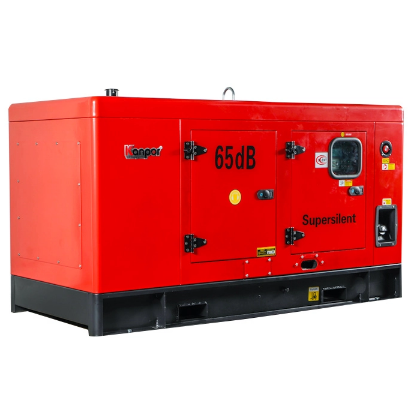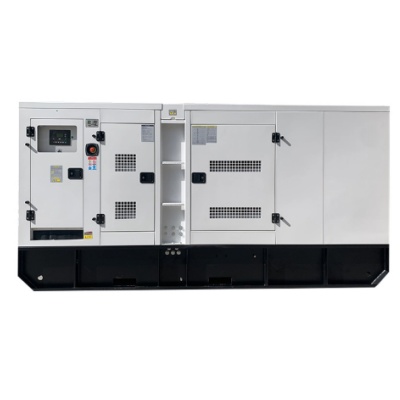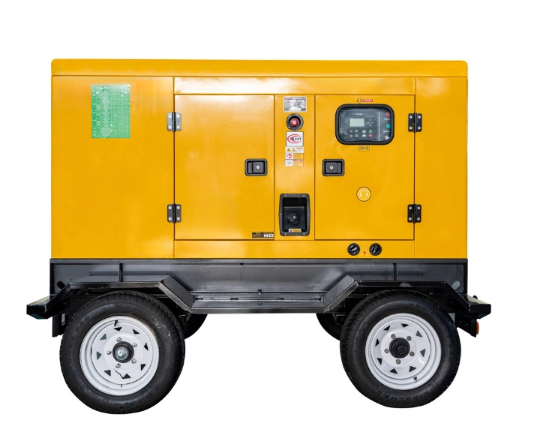
When checking generator specifications, you may wonder what does kVA stand for. kVA stands for kilovolt-ampere, which is a unit used to measure power output. Understanding what does kVA stand for is important because it tells you how much power a generator can supply to your equipment. This information helps you select a generator that meets your needs, whether it's for your home, business, or factory. Knowing what does kVA stand for also helps you prevent overloads and ensures you choose the right generator for your requirements.
Key Takeaways
kVA means kilovolt-ampere. It is a unit that shows how much total power a generator can give. This includes both real power and reactive power.
Always look at both kVA and kW ratings when you pick a generator. This helps make sure the generator gives enough power. It also helps stop overloads.
The power factor is usually 0.8 for three-phase generators. It is important because it shows how much power you can really use.
To get the right generator size, first multiply voltage and current. Then divide that number by 1,000 to get the kVA needed.
Using a generator at 70-80% of its top kVA rating is best. This keeps the generator working well and helps it last longer.
What Does kVA Stand For
![What Does kVA Stand For]()
kVA Explained
You might notice kVA on a generator’s label and wonder what it means. kVA stands for kilo-volt-amperes. This is a way to measure the power a generator can give. When you check a generator, you want to know how much power it can send to your stuff. If you know about kilo-volt-amperes, you know it shows all the power the generator can make, not just what you can use.
kVA is not the same as kilowatts (kW). Kilowatts show the real power your things use. kVA shows both real and reactive power. In easy words, kVA is the most power a generator can give. kW is the part of that power your things can actually use.
Tip: If you want to know what kVA means for your generator, remember kVA is always bigger than kW unless your system works perfectly.
What Does kVA Mean in Generators
When you ask what kVA means in generators, you want to know how much power the generator can give. Companies use kVA to show the total power their generators can make. This helps you pick the right generator for what you need.
kVA shows the total power, including both real and reactive power.
The kVA number tells you how much power you can get from a generator. A bigger kVA number means more power.
You can find kVA by multiplying voltage and current (amps). For example, a 30 kVA three-phase generator gives about 10 kVA for each phase. In a 415/240V system, this is about 43 amps for each phase.
A lot of people think kVA and kW are the same thing. This is a mistake. If you pick a generator by only looking at kW, it might not be enough for your stuff. You also need to think about the power factor, which is usually 0.8 for three-phase generators. For example, a 20 kVA generator gives you 16 kW of power you can use.
Specification Type | kVA Rating |
Maximum Rating | 1500 kVA |
Minimum Rating | 910 kVA |
When you see kVA numbers on DONGCHAI POWER generators, you know what kVA means for your needs. You can match the kVA number to your equipment and stop overloads.
Note: Generators do not always work right away. You need to check the kVA number and make sure it fits your needs. Companies follow rules, but some things can change how well it works.
kVA vs kW
Apparent Power and Real Power
You often see both kVA and kW when you look at generator specifications. These two terms help you understand how much power your generator can provide and how much your equipment can actually use. kVA vs kW is a common topic when you want to choose the right generator.
kVA measures the apparent power. This is the total power in the system, including both the actual power and the power that does not do useful work.
kW measures the actual power. This is the power your machines use to do work, like running lights or motors.
The difference between kVA and kW comes from the power factor. The power factor shows how well your generator uses its power.
You need to know the actual power your equipment needs. If you only look at kVA, you might choose a generator that is too big or too small. Always check the kW rating to make sure your generator matches your actual power needs.
Term | What It Measures | What It Means for You |
kVA | Apparent Power | Total power available |
kW | Actual Power | Power your equipment uses |
Tip: Always check both kVA and kW ratings before you buy a generator. This helps you avoid overloads and keeps your equipment safe.
Power Factor in Generators
The power factor is a number that shows how much of the generator’s power you can use as actual power. You see this number in generator sizing charts. Most single-phase generators have a power factor of 1.0. This means you use all the power the generator makes. Most three-phase generators have a power factor of 0.8. This means you use 80% of the generator’s power as actual power.
A power factor of 1.0 means your load uses 100% of the generator’s actual power. This is very efficient.
A power factor of 0.8 means your load uses 80% of the generator’s actual power. This is common in three-phase systems.
If the power factor goes up, your generator works more efficiently. You lose less power as heat.
If the power factor goes down, your generator needs more energy to do the same work. You lose more power and your generator works harder.
You should always check the power factor when you size your generator. This helps you get the right amount of actual power for your needs. If you use a generator with a low power factor, you might need a bigger generator to get enough actual power.
kVA Ratings and Conversion
kVA to kW Formula
You need to know how to convert kVA ratings to kW when you choose a generator. The kVA rating shows the total power a generator can supply. The kW rating tells you how much usable power you get. You use a simple formula to make this conversion. The formula uses the power factor, which is usually 0.8 for most generators.
Here is the formula you use:
kW = kVA × Power Factor
For example, if your generator has a kVA rating of 100 and a power factor of 0.8, you get:
kW = 100 × 0.8 = 80 kW
You see this formula called the kw to kva formula. It helps you understand how much real power your generator gives. You can also use the formula to go from kva to amps or amps to kva if you know the voltage and current.
Example Conversion
Let’s look at a real example. You want to buy a generator for your business. The generator has a kVA rating of 250. The power factor is 0.8. You want to know how many kilowatts you get.
Write down the kVA rating: 250 kVA.
Use the power factor: 0.8.
Multiply the numbers: 250 × 0.8 = 200 kW.
You see that a 250 kVA generator gives you 200 kW of usable power. This helps you match your generator to your equipment. If you need to find kva to amps, you use the formula:
Amps = (kVA × 1000) / (Voltage × √3)
If you want to go from amps to kva, you use:
kVA = (Amps × Voltage × √3) / 1000
You use these formulas to check if your generator meets your needs. You see kilovolt-amps on the label, but you need to know the kW for your machines. Always check the kVA ratings and do the conversion before you buy.
Tip: DONGCHAI POWER offers generators with many kVA ratings. You can find the right size for your business, home, or factory.
Generator kVA Rating | Power Factor | Usable kW |
100 | 0.8 | 80 |
250 | 0.8 | 200 |
500 | 0.8 | 400 |
kVA and Generator Sizing
![kVA and Generator Sizing]()
Choosing the Right kVA Rating
To pick the right generator, you need to know how to check the kva of a generator. You must match the generator’s kva ratings to what your equipment needs. If the kva rating is too low, your devices can get damaged from overload. If the kva rating is too high, you might waste fuel and spend more money.
Here are steps to find the right kva for your building: First, find out the input voltage for your equipment. Next, check the rated amps for each device. Then, multiply voltage by current and divide by 1,000 to get the kva size.
For example, if you have a single-phase device with 120 volts and 40 amps, multiply 120 by 40 to get 4,800 volt-amps. Divide by 1,000 to get 4.8 kva. For three-phase systems, use this formula: kva = (Voltage × Current × 1.732) / 1,000.
Many businesses use this way to guess their load size. You can look at your utility bills to find the highest demand, then add 25% as a safety margin. Change the total kw to kva by dividing by the power factor, which is usually 0.8. Always remember that some machines need extra power to start.
DONGCHAI POWER has many generator sets, from 5KW to 4000KW. You can find generators with kva ratings from 150kva to 1200kva. Some popular models are the 1000kva container generator and the 20kva super silent generator. If you want to know how to check the kva of a generator, look at the label or ask the supplier for the correct kva ratings.
Tip: Always pick a generator with kva ratings that match your real needs. This helps stop overloads and keeps your equipment safe.
kVA Impact on Performance
The kva rating affects how well a generator works in different situations. Generators with higher kva ratings keep voltage steady when there are heavy loads. They are better for starting motors and doing hard jobs. If you use a generator with a low kva rating, your equipment may not get enough power and could have problems.
Different jobs need the right kva ratings for backup power:
In hospitals, generators must run life-support and important machines. Backup power is very important.
Oil & gas sites need power all the time in faraway places. High kva ratings help things run smoothly.
Telecom companies need generators for nonstop service. Good backup power keeps networks working.
If you pick the wrong size, you might overload a small generator or waste fuel with a big one. Both can cause breakdowns and cost more money. For example, knowing how much fuel a 500 kva generator uses helps you plan and save money.
How often you service your generator depends on the kva rating. Bigger generators or those used in tough places need more service. Follow the maker’s advice, like servicing every 500-1000 hours, to keep your generator working well and save money.
Things like altitude, temperature, and humidity can change how a generator works. High places have less air, which affects burning fuel. Very hot or cold weather can cause overheating or fuel issues. Always match the generator’s rating to what you need, whether it’s for backup, main, or nonstop power.
When you choose between diesel, gas, silent, or container generators, knowing about kva helps you figure out the total power you need. Some things, like air conditioners and fridges, need more power to start. Remember this when you calculate kva to make the best choice.
Generator Type | Typical Use Case | kVA Range (DONGCHAI POWER) | Key Benefit |
Diesel Generator | Industry, backup power | 150kva - 1200kva | Reliable, robust |
Silent Generator | Healthcare, telecom | 20kva - 1000kva | Quiet operation |
Container Generator | Oil & gas, large sites | 1000kva | Portable, high capacity |
Gas Generator | Continuous power | 8kva - 2000kva | Clean energy, efficient |
Note: Always check the kva ratings and kw needs before you buy. This makes sure you get the right generator for your job.
If you want to know how to check the kva of a generator, look at the product label or ask DONGCHAI POWER’s technical support. The right kva ratings help you pick the best generator, whether you need backup for a hospital, a telecom site, or an oil field.
Now you know what kVA stands for and why it is important. When you pick a generator, keep these things in mind:
If you only look at kW, your system might not have enough power.
Using kVA helps your generator give both real and reactive power.
kVA tells you the total power, so you can pick the right size.
Running your generator at 70-80% of its top power keeps it safe.
Most problems happen when people guess too low on needed kVA.
Check this table to see how kVA ratings match amps and power factor:
KVA Rating | Amperage (Approx.) | Power Factor |
1 | 1.0 | 0.8 |
10 | 10.0 | 0.8 |
100 | 100.0 | 0.8 |
Pick the right generator type, like diesel, silent, or container. Match your kVA needs to what you will use it for. This stops overloads and keeps your equipment working well.
FAQ
What does kVA mean for generator sizing?
kVA tells you how much power a generator can give. You use kVA to make sure your generator fits your equipment. Always check what your equipment needs before picking a generator.
How do you convert kVA to kW for a generator?
You multiply kVA by the power factor. Most generators use a power factor of 0.8.
Example: 100 kVA times 0.8 equals 80 kW.
Why is the power factor important when choosing a generator?
The power factor shows how much of the generator’s power you can use. A higher power factor means you get more usable power. Most three-phase generators use a power factor of 0.8.
Which industries need high kVA generators?
Industries like healthcare, oil & gas, and telecom need high kVA generators. These generators are used for backup power, big machines, and nonstop service.
How do you choose between diesel, silent, and container generators?
You think about your power needs and where you will use the generator.
Diesel generators are good for heavy jobs.
Silent generators are best for hospitals and offices.
Container generators are great for big sites and outside use.