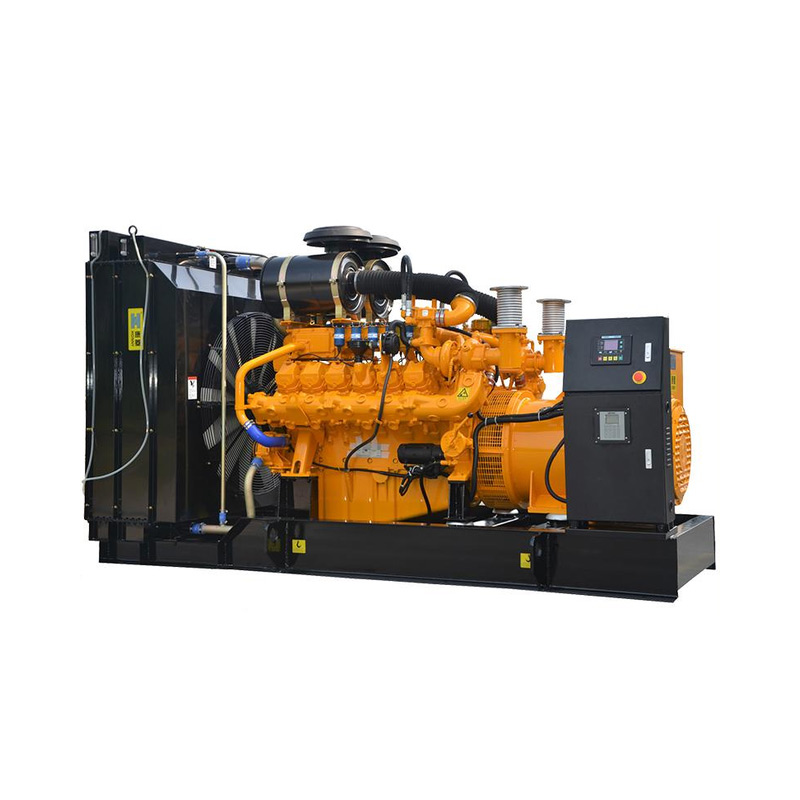
Have you ever wondered if a gas generator can get wet? Gas generators are essential during power outages, providing reliable electricity. They are commonly used for home backup, outdoor events, and construction sites. In this post, you'll learn about the risks of wet generators and how to protect them from water damage.
Can a Gas Generator Get Wet?
Risks of Operating a Wet Gas Generator
Running a gas generator when it’s wet can be dangerous. Water and electricity don’t mix well. When a generator gets wet, it increases the risk of electric shock or electrocution. Moisture can cause short circuits inside the generator’s electrical components, leading to sparks or fires. Also, water inside the engine or fuel system can cause the generator to malfunction or even explode in rare cases.
Wet conditions can corrode metal parts and damage the generator’s motor. Over time, this damage may become costly to repair or could destroy the generator altogether. Additionally, if the generator shorts out while powering other devices, it can damage those appliances too.
Manufacturer Guidelines on Wet Conditions
Most gas generator manufacturers clearly state in their manuals that generators should not be operated in wet conditions without proper protection. They warn against running generators directly in the rain or on wet surfaces. Many manuals recommend using weatherproof covers or shelters to keep the generator dry while running.
Manufacturers also stress the importance of placing generators on dry, level ground and away from puddles or standing water. Some models might have limited water resistance, but no generator is fully waterproof. Ignoring these guidelines can void warranties and lead to safety hazards.
Understanding Water Damage to Generators
Water can enter a generator through exposed outlets, air intakes, or fuel openings. Once inside, it can short-circuit electrical parts or mix with fuel, causing engine problems. Even small amounts of moisture can cause corrosion inside the generator, reducing its lifespan.
Water damage symptoms include difficulty starting the generator, unusual noises, loss of power, or visible rust. If you suspect water damage, it’s best to have the generator inspected and repaired by a professional. Regular maintenance helps prevent water damage by keeping seals tight and components clean.
Tip: Always follow manufacturer instructions carefully and never operate a gas generator without a proper weather-resistant cover in wet conditions to avoid electrical hazards and costly damage.
Safety Precautions for Using Gas Generators in Wet Weather
Importance of Keeping the Generator Dry
Keeping your gas generator dry is crucial for safe operation. Water and electricity don’t mix well, so moisture increases the risk of electric shock or short circuits. A wet generator can cause sparks, fires, or even electrocution. Beyond safety, water can damage internal components, leading to corrosion and costly repairs. Always place your generator on dry, level ground away from puddles or standing water. If the ground is damp, use a sturdy platform or blocks to elevate the generator and keep it dry.
Using Weather-Resistant Covers
Using a weather-resistant cover is one of the best ways to protect your generator from rain and moisture. These covers shield the generator’s electrical parts and engine from direct exposure to water while allowing proper ventilation. Unlike simple tarps, specialized generator covers are designed to resist wind and water without trapping heat or fumes. For example, canopies like the GenTent provide robust protection and maintain airflow, reducing overheating risks. Always choose a cover that fits your generator model and is rated for outdoor use.
Proper Grounding and Ventilation
Proper grounding is essential to prevent electrical hazards. A grounded generator reduces the risk of electric shock by safely directing stray electricity into the earth. Check your owner’s manual to confirm grounding instructions specific to your model. Additionally, ventilation plays a key role in safe generator use. Generators produce harmful exhaust gases like carbon monoxide, so they must run outdoors in open air. Even when covered, ensure the generator has enough airflow to prevent overheating and allow exhaust fumes to disperse safely. Never operate a generator indoors or in enclosed spaces.

How to Protect Your Gas Generator from Rain
Choosing the Right Generator Cover
Selecting the right cover is key to keeping your gas generator safe from rain. A good cover shields the generator from water while allowing airflow. Avoid simple tarps that trap heat and fumes. Instead, opt for weather-resistant covers made specifically for generators. These covers fit snugly and resist wind and rain without blocking ventilation. For example, GenTent canopies use marine-grade vinyl that is waterproof and NFPA-rated for safety. A properly sized cover protects electrical parts and the engine from moisture damage, helping your generator last longer.
Temporary vs. Permanent Covers
You can choose between temporary and permanent covers depending on your needs. Temporary covers are great for occasional use. These are easy to set up and remove, perfect for portable generators used during storms or outages. They often use poles and straps to create a tent-like shelter that keeps rain off while venting exhaust.
Permanent covers suit standby generators installed outside your home. These covers are built from durable materials like brick or wood and offer constant protection from weather. They must be designed to allow proper ventilation to prevent overheating and safely release exhaust gases. A permanent cover reduces maintenance and eliminates the hassle of setting up protection every time it rains.
Positioning Your Generator During Rain
Where you place your generator during rain affects its safety and performance. Always set it on dry, level ground, higher than surrounding areas to avoid puddles. If the ground is damp, elevate the generator on blocks or a platform. Avoid spots near windows, doors, or vents to prevent exhaust fumes from entering your home.
Position the generator so rainwater flows away from it, not toward it. Keep the exhaust side clear to ensure fumes disperse safely. Maintain enough space around the generator for airflow, even when covered. Proper positioning combined with a quality cover minimizes water exposure and keeps the generator running efficiently.
Understanding Generator Specifications and Weather Resistance
Reading the Owner's Manual
Your generator’s owner’s manual is the first place to check for weather resistance info. It tells you if your model can handle some moisture or if it must stay dry at all times. Some manuals specify how to protect the generator during rain or snow. They also include instructions on grounding and ventilation, which affect safe operation in wet conditions. Ignoring these guidelines risks damage and voids warranties. Always follow the manufacturer’s recommendations to keep your generator safe and working well.
Comparing Portable and Standby Generators
Portable and standby generators differ in design and weather resistance. Standby generators usually have built-in protective housings. These covers shield them from rain, snow, and debris, making them safer for outdoor use in bad weather. They often require less extra protection.
Portable generators are more vulnerable to water damage. They lack permanent enclosures, so you must use weather-resistant covers or tents to protect them. Portable units also need careful placement on dry, elevated surfaces to avoid water exposure. When choosing a generator, consider your climate and how often you expect to use it outdoors in wet weather.
Regular Maintenance and Repairs
Keeping your generator in top shape helps it resist weather damage. Regular maintenance includes:
Checking seals and gaskets for cracks or wear
Cleaning air filters and vents to prevent moisture buildup
Inspecting electrical components for corrosion or damage
Draining old fuel and replacing it with fresh fuel
Testing the generator periodically to ensure it starts and runs smoothly
If you notice signs of water damage—like rust, difficulty starting, or strange noises—have a professional inspect and repair it. Timely repairs prevent small problems from becoming costly failures.
Best Practices for Operating Gas Generators Safely
Handling Generators with Dry Hands
Always handle your gas generator with dry hands. Wet hands increase the risk of electric shock because moisture conducts electricity. Even if the generator is covered or protected, touching it with damp hands can create a dangerous path for electricity to flow through your body. Before starting, stopping, or plugging in devices, wipe your hands thoroughly or wear dry gloves. This simple habit reduces the chance of injury and keeps you safe during operation.
Checking Cords and Cables
Inspect all cords and cables before use. Look for cracks, frays, or exposed wires. Damaged cords can cause electrical shorts or fires, especially in wet or damp conditions. Use heavy-duty, weatherproof extension cords rated for outdoor use. Always connect cables securely, and avoid placing them where water can pool or drip. If you find any damage, replace the cords immediately to prevent hazards. Regularly checking cables is a low-effort way to maintain safe generator operation.
Wearing Protective Gear
Wear appropriate protective gear when operating a gas generator. Rubber gloves and shoes with rubber soles are essential because rubber insulates against electricity. This gear reduces the chance of electrical shock if you accidentally touch a live wire or wet surface. Additionally, wear eye protection to guard against sparks or debris. Protective clothing also shields you from hot parts or accidental fuel spills. Safety gear is a critical part of responsible generator use, especially during wet weather or emergency situations.
The Role of High-Quality Generator Covers
Benefits of GenTent Canopies
GenTent canopies offer excellent protection for your gas generator during wet weather. Made from marine-grade, dual-coated vinyl, these covers are waterproof and durable. They shield your generator’s electrical components and engine from rain, snow, and wind, preventing moisture-related damage. Unlike ordinary tarps, GenTent canopies are designed to maintain proper ventilation, allowing exhaust gases and heat to escape safely. This prevents overheating and ensures your generator runs efficiently even in harsh conditions.
These canopies are easy to install and remove, making them perfect for both temporary and prolonged use. Their sturdy fiberglass rods keep the cover in place despite strong winds. Plus, they come with handles and wheels for easy portability. Using a GenTent canopy reduces the risk of electrical short circuits, corrosion, and other water damage, extending your generator's lifespan.
Features of Weatherproof Covers
High-quality weatherproof covers share several key features that set them apart from basic tarps:
| Waterproof material | Keeps rain and moisture out while resisting tears and punctures. |
| Ventilation design | Allows air to flow, preventing heat buildup and fume accumulation. |
| Secure fastening | Straps, hooks, or elastic edges ensure a snug fit, even in wind. |
| Compatibility | Sized to fit specific generator models for full coverage without blocking outlets or vents. |
| Durability | UV-resistant coatings and reinforced seams protect against sun damage and wear. |
These features help maintain safe operation and protect your investment. A well-designed cover is essential for outdoor use during storms or rainy seasons.
Testing and Safety Ratings
GenTent canopies and similar high-quality covers undergo rigorous testing to meet safety standards. They are often rated by organizations such as the National Fire Protection Association (NFPA), ensuring they resist fire hazards and meet ventilation requirements. Independent labs test these covers for wind resistance, waterproofing, and snow load capacity.
For example, GenTent covers have been tested to withstand:
These ratings provide peace of mind that your generator cover will perform well under extreme weather. Choosing covers with verified safety certifications is crucial for reliable protection.
Conclusion
Operating a gas generator in wet conditions poses significant risks, including electric shock and water damage. Key safety measures include keeping the generator dry, using weather-resistant covers, and proper grounding. Preparation is crucial to avoid costly repairs and ensure safe operation. Always handle generators with dry hands and inspect cords for damage. Investing in a high-quality cover, like those from Dong Chai Power, offers reliable protection. These measures help maintain generator efficiency and longevity during rainy weather.
FAQ
Q: Can a gas generator get wet?
A: No, a gas generator should not get wet. Moisture increases the risk of electric shock, short circuits, and damage to internal components.
Q: How can I protect my gas generator from rain?
A: Use a weather-resistant cover, like a GenTent canopy, and place the generator on a dry, elevated surface to prevent water exposure.
Q: Why is it important to keep a gas generator dry?
A: Keeping a gas generator dry prevents electrical hazards, corrosion, and costly repairs, ensuring safe and efficient operation.
Q: What should I do if my gas generator gets wet?
A: If your gas generator gets wet, stop using it immediately and have it inspected and repaired by a professional to prevent further damage.





