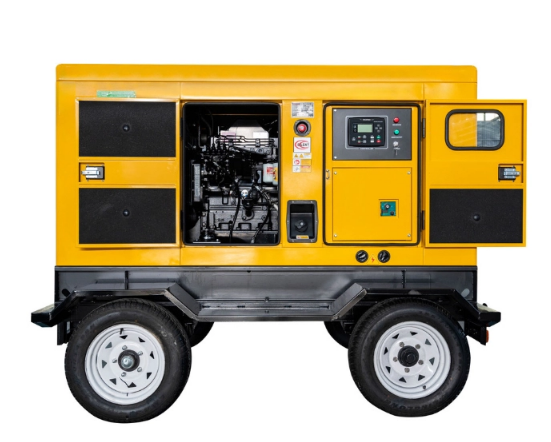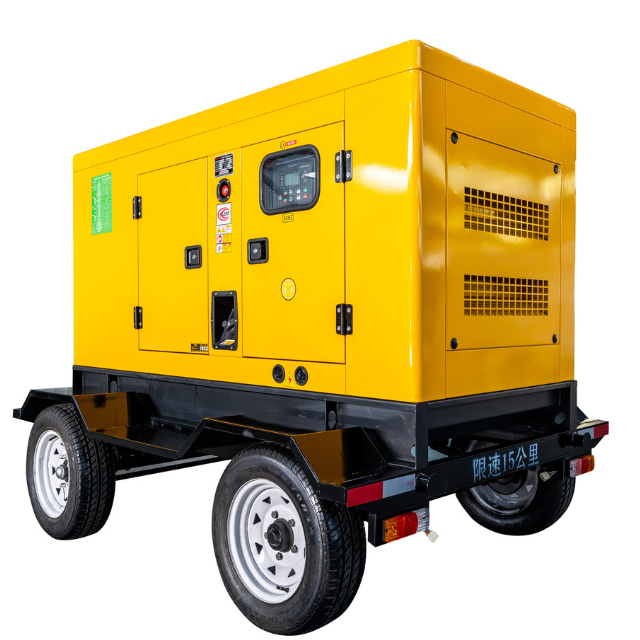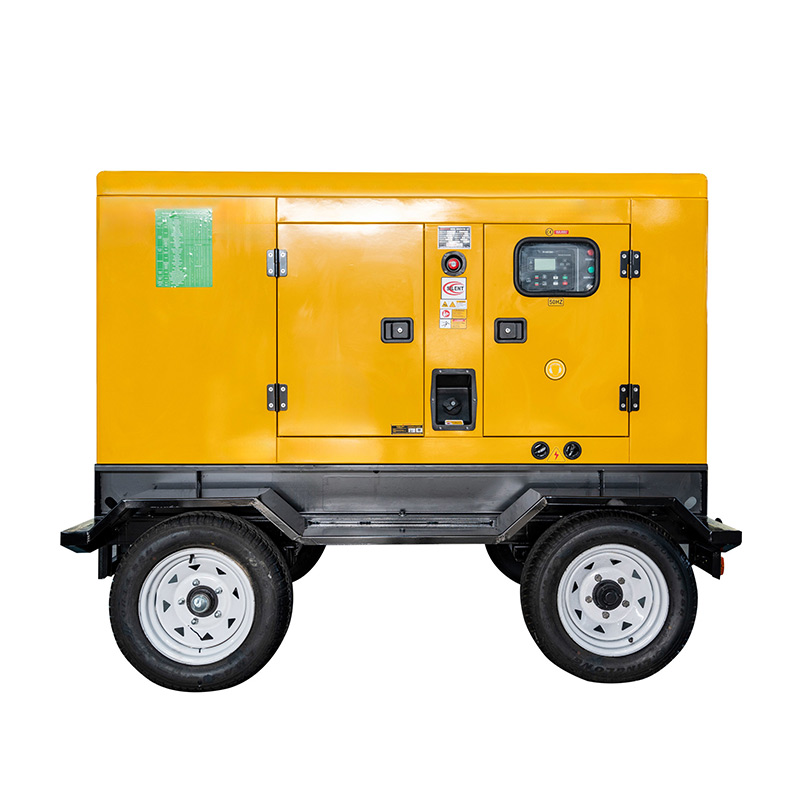
Imagine a world without electricity. How would our daily lives change? Generators play a crucial role in powering our modern world. But what exactly is a generator, and why are they so important? In this post, you'll learn about the fundamental workings of generators, their components, and their significance in providing reliable power for various needs.
How Generators Work
Basic Principle of Electromagnetic Induction
Generators work by converting mechanical energy into electrical energy. They rely on a fundamental scientific principle called electromagnetic induction, discovered by Michael Faraday in the early 1830s. This principle explains how moving a conductor, like a wire, through a magnetic field creates an electric current.
Imagine moving a wire loop inside a magnetic field. As the wire moves, the magnetic field changes around it, pushing electric charges to flow in the wire. This flow of electric charges is what we call electricity. The faster or stronger the movement, the more electricity is generated.
Conversion of Mechanical Energy to Electrical Energy
The mechanical energy needed to move the wire or conductor usually comes from an engine or turbine. For example, in gas-powered generators, an internal combustion engine burns fuel to spin a shaft. This spinning shaft turns an electromagnet inside the generator.
Inside the generator, the spinning electromagnet (called the rotor or armature) moves inside a stationary set of wire coils (called the stator). As the rotor spins, it creates a changing magnetic field around the stator. This change induces an electric current in the stator’s wire coils.
The result is electrical energy flowing out of the generator, ready to power appliances, machines, or even entire buildings.
Key Points
Generators don’t create electricity from nothing; they convert existing mechanical energy.
Electromagnetic induction is the core process behind electricity generation.
Mechanical energy sources can include engines, turbines powered by water, wind, or steam.
The rotating part of the generator (rotor) and the stationary coils (stator) work together to produce electricity.
The output is usually alternating current (AC), which is suitable for homes and businesses.
Example
Think of a bicycle dynamo. When you pedal, the wheel spins a small magnet inside the dynamo. This spinning magnet induces electricity in the coils, powering your bike’s lights. Large generators work on the same principle but on a much bigger scale.
Main Components of a Generator
A generator is more than just a machine that produces electricity. It’s a system made up of several key components working in harmony to convert mechanical energy into electrical energy. Understanding these parts helps you appreciate how generators function and how to maintain them for optimal performance.
Engine
The engine is the heart of the generator. It provides the mechanical energy needed to turn the generator’s rotor. Engines come in various sizes and types, depending on the generator’s power output requirements. They run on fuels like diesel, gasoline, natural gas, or propane. The engine’s size and fuel type directly affect the generator’s capacity and efficiency.
Alternator
The alternator, sometimes called the "genhead," is where mechanical energy becomes electrical energy. It consists of two main parts: the rotor, which spins, and the stator, which remains stationary. As the rotor spins inside the stator, it creates a magnetic field that induces electrical current in the stator’s coils. The alternator’s design impacts the quality and stability of the electricity produced.
Fuel System
The fuel system supplies the engine with the fuel it needs to operate. It includes the fuel tank, fuel pump, filters, pipes, and injectors. For larger generators, the fuel tank can be external and sized to allow many hours of operation. The fuel system must ensure a clean, steady flow of fuel to keep the engine running smoothly.
Voltage Regulator
This component controls the output voltage of the generator. It ensures the electricity produced stays within safe, usable limits despite changes in load or engine speed. The voltage regulator also helps convert AC to DC power if needed, stabilizing the generator’s output for sensitive equipment.
Cooling & Exhaust System
Generators produce heat and exhaust gases during operation. The cooling system uses air, water, or hydrogen to keep the engine and alternator from overheating. The exhaust system safely directs harmful gases away from the generator and surrounding area, ensuring safety and compliance with regulations.
Lubrication System
Moving parts inside the engine and alternator need constant lubrication to reduce friction and wear. The lubrication system provides oil to these parts and requires regular checks to maintain proper levels. Without it, the generator’s components would wear out quickly.
Battery Charger
The battery charger keeps the generator’s starting battery charged and ready. Without a charged battery, the generator can’t start. This system automatically supplies a low voltage to maintain battery health, especially during long standby periods.
Control Panel
The control panel is the user interface and brain of the generator. It allows you to start and stop the generator, monitor engine and electrical parameters, and control output settings. Modern panels often include automatic features, such as starting the generator during a power outage.
Main Assembly/Frame
This is the physical structure that holds all components together. It provides support, protects internal parts from dirt and moisture, and often includes grounding for safety. The frame also helps reduce noise and vibration during operation.

Types of Generators
Generators come in various types designed to meet different power needs, environments, and applications. Understanding these categories helps you choose the right generator for your specific situation, whether it's for a large industrial facility, a home backup, or portable use.
Industrial Generators
Industrial generators are powerful machines built to supply large amounts of electricity. They are commonly used in factories, hospitals, data centers, and construction sites. These generators often run on diesel or natural gas and can provide continuous power for extended periods.
Key features include:
High power output, sometimes reaching several megawatts.
Robust construction to withstand harsh environments.
Advanced cooling and exhaust systems for long-term operation.
Integration with automatic transfer switches for seamless power backup.
Because industrial generators support critical operations, they often include sophisticated control panels and monitoring systems to ensure reliability and safety.
Residential Standby Generators
Residential standby generators provide backup power for homes during outages. Unlike portable generators, they are permanently installed outside the house and connected to the home's electrical system.
Key characteristics:
Automatically start when the main power goes out.
Run on natural gas or propane, often connected to existing fuel lines.
Power essential home appliances, heating, cooling, and lighting.
Quiet operation with sound-reducing enclosures.
These generators give homeowners peace of mind by ensuring continuous power without manual setup.
Portable Generators
Portable generators are smaller, mobile units designed for temporary power needs. They are popular for camping, outdoor events, and emergency use.
Features include:
Gasoline, diesel, or propane fuel options.
Lower power output, suitable for a few appliances or tools.
Lightweight and compact for easy transport.
Manual startup and operation.
Portable generators require careful handling to avoid hazards like carbon monoxide poisoning and fuel spills.
Different Fuel Types for Generators
Generators use various fuels, each with pros and cons depending on availability, cost, and application:
| Fuel Type | Common Use | Advantages | Disadvantages |
| Diesel | Common in industrial and heavy-duty generators | Efficient, durable | Requires proper storage and handling |
| Natural Gas | Popular for residential standby units | Clean-burning, connected to pipelines | May not be available in all areas |
| Propane | Used in both residential and portable generators | Stores well, burns cleanly | Requires storage tanks |
| Gasoline | Mainly for portable generators | Easy to find | Less efficient, shorter shelf life |
| Bi-fuel | Some generators can switch between two fuels | Flexibility, reliability | Can be more expensive |
Selecting the right fuel type depends on your power needs, location, and environmental considerations.
Tip: When choosing a generator type, consider not only power output but also fuel availability, installation requirements, and the intended duration of use to ensure optimal performance and safety.
Generator Operation and Safety
Using Transfer Switches
A transfer switch is essential when connecting a generator to a building’s electrical system. It acts as a safety device, preventing electricity from the generator from feeding back into the main power grid. This backfeed can be dangerous for utility workers repairing power lines and can damage your generator.
There are two main types of transfer switches:
Manual Transfer Switches: Require you to switch power sources by hand during an outage.
Automatic Transfer Switches (ATS): Detect power loss automatically and start the generator, switching power seamlessly.
Using a transfer switch ensures safe, efficient power transfer and prevents electrical hazards.
Carbon Monoxide Safety
Generators produce carbon monoxide (CO), a deadly gas you cannot see or smell. Running a generator in enclosed or poorly ventilated spaces can cause CO to build up quickly, leading to poisoning.
To stay safe:
Always operate generators outdoors, away from windows, doors, and vents.
Position the exhaust to blow away from occupied areas.
Never run a generator inside a garage, basement, or shed.
Install battery-operated CO detectors in your home.
Following these precautions can save lives and prevent CO-related tragedies.
Fuel Quality and Safety
Fuel is the lifeblood of most generators, so handling it properly is crucial. Poor fuel quality or unsafe practices can cause engine problems or fires.
Keep these tips in mind:
Store fuel in approved containers, away from heat sources.
Use fresh fuel or add fuel stabilizers to prevent degradation.
Never refuel a running or hot generator; wait for it to cool down.
Avoid spills and clean up any fuel immediately.
Follow local regulations for fuel storage and disposal.
Proper fuel management ensures reliable generator operation and reduces fire risks.
Weather Safety Precautions
Generators are often used during storms or extreme weather, so protecting them from the elements is important.
Consider these safety measures:
Place the generator on a dry, level surface.
Use a weatherproof cover or shelter that allows airflow and keeps rain or snow out.
Maintain a clearance of at least five feet from walls or combustible materials.
Avoid operating the generator in flooding or standing water.
Secure the generator to prevent movement during high winds.
These steps help prevent damage, overheating, and electrical hazards during bad weather.
Maintenance of Generators
Proper maintenance is key to keeping your generator reliable and ready to work when needed. Regular checks and care help prevent breakdowns and extend the life of the machine. Here’s what you need to focus on for effective generator maintenance.
Regular Inspection and Replacement of Parts
Start by routinely inspecting the generator’s components. Look for worn or damaged parts that could cause failure during operation. Common parts to check include belts, hoses, filters, and spark plugs. Replace any parts showing signs of wear or damage promptly. This proactive approach avoids costly repairs and unexpected downtime.
Checking Fluid Levels
Fluids keep the generator running smoothly and safely. Check the oil, coolant, and fuel levels regularly. Low oil or coolant can cause overheating or engine damage. Make sure the fuel is fresh and free of contaminants. Some generators require fluid checks every 8 hours of operation, but frequency depends on the model and usage. Always follow the manufacturer’s guidelines.
Battery Maintenance
The battery powers the generator’s start-up system. Keep the battery clean and terminals free of corrosion. Test the battery regularly to ensure it holds a charge. A weak battery can prevent the generator from starting when you need it most. If the battery is old or fails tests, replace it to maintain reliability.
Control Panel Checks
The control panel monitors and controls the generator’s performance. Check it for accurate readings and proper function. Look for warning lights or error codes that indicate problems. Test automatic start and stop functions if your generator has them. Ensure all buttons and switches work correctly. A well-functioning control panel helps you catch issues early.

Sizing a Generator
Properly sizing a generator is crucial to ensure it meets your power needs efficiently and safely. Whether for a home or business, selecting the right size prevents overloads, equipment damage, and unnecessary expenses.
Determining Power Needs
Start by listing every device and system you want the generator to power. Include appliances, lighting, heating, cooling, computers, and any machinery. For each item, find the running wattage (the power it consumes during normal operation) and the starting wattage (power needed to start motors or compressors, which is often higher).
Add up all running wattages to get the total continuous load. Then, identify the highest starting wattage among your devices. The generator must handle the total running load plus the highest starting load.
For example, a refrigerator might run at 700 watts but require 2200 watts to start. If your total running load is 5000 watts and the highest starting load is 2200 watts, your generator should handle at least 7200 watts.
Keep in mind the difference between watts and kilovolt-amperes (kVA). Some equipment requires apparent power (kVA), which accounts for power factor. When in doubt, consult a professional electrician to calculate your exact needs.
Choosing the Right Generator Size
Generators come in various sizes, from small 5 kW units for basic home use, to industrial models producing several megawatts. Selecting a generator too small will cause it to overload, leading to shutdowns or damage. Oversized generators waste fuel and cost more upfront and to operate.
Aim for a generator size slightly above your calculated total load to provide a safety margin and accommodate future needs. For homes, standby generators typically range from 7 kW to 22 kW. Commercial and industrial sites may require much larger units.
Considerations for Residential and Commercial Use
Residential generators mainly power essential appliances like refrigerators, HVAC systems, and lighting. Comfort and convenience are priorities, so quiet operation and automatic start features are common.
Commercial generators must support critical operations, including computers, security systems, and heavy machinery. They often run longer and require robust cooling and fuel systems. Fuel type and availability also affect sizing decisions.
In both cases, consider:
Peak vs. continuous loads
Surge power needs for motor-driven equipment
Future expansion plans
Fuel storage capacity and refueling logistics
Local regulations and noise restrictions
Consulting with a certified electrician or generator specialist is highly recommended. They can perform load analyses, recommend appropriate generator models, and ensure safe installation.
Conclusion
Generators convert mechanical energy into electrical energy using electromagnetic induction principles. They are vital for powering homes, industries, and outdoor events. The future of generators in energy production includes advancements in efficiency and eco-friendliness. Dong Chai Power offers reliable generators with unique features that provide exceptional value for various applications. Their products ensure consistent power supply, enhancing safety and convenience for users.
FAQ
Q: What does a generator do?
A: A generator converts mechanical energy into electrical energy using electromagnetic induction to provide power for appliances and buildings.
Q: How does a generator work?
A: A generator works by spinning a rotor inside a stator, creating a magnetic field that induces electric current through electromagnetic induction.
Q: Why use a generator?
A: Generators provide backup power during outages, ensuring continuous operation of essential appliances and systems in homes and businesses.
Q: What are the benefits of a generator?
A: Generators offer reliable power, flexibility in fuel choice, and protection against power outages, enhancing convenience and safety.