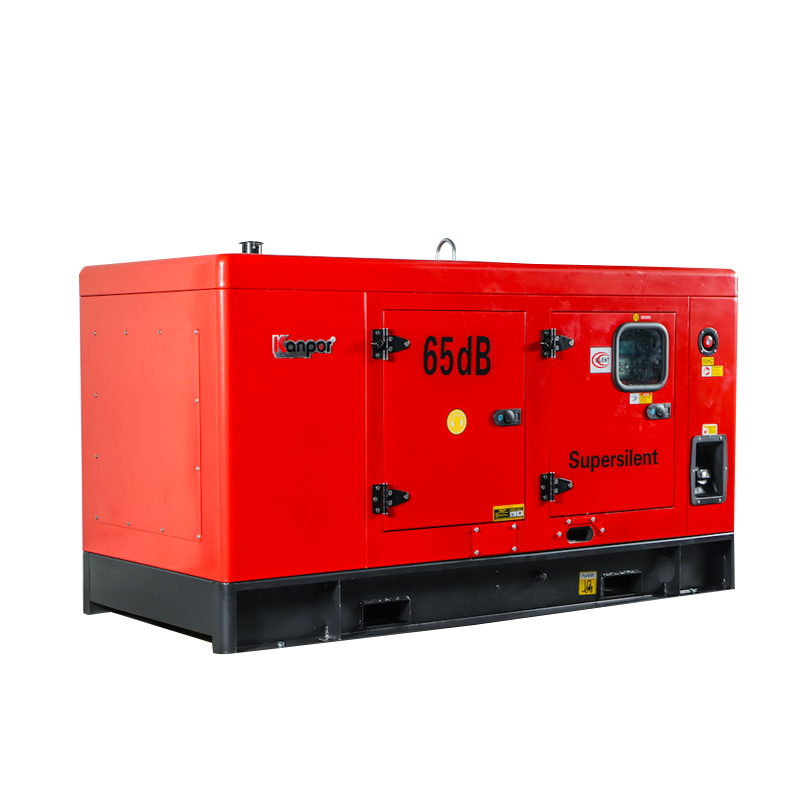
When the lights suddenly go out, what happens next? Are you prepared for the unexpected? Power outages can disrupt daily life, highlighting the crucial role of a generator. Generators provide essential backup power, ensuring your home or business stays operational. In this post, you'll learn what happens during power outages, how generators step in, and why having a backup power source is vital.
How Does a Generator Work?
Basic Principles of Generator Operation
A generator converts mechanical energy into electrical energy. Inside, an engine burns fuel to turn a rotor inside a magnetic field. This movement generates electricity through electromagnetic induction. Simply put, it creates the power you need by spinning parts inside it.
Most generators have an alternator, which produces alternating current (AC) electricity—the same type your home uses. When the main power fails, the generator kicks in to supply electricity until the grid is back.
Types of Generators and Their Mechanisms
Generators come in several types, each working a bit differently:
Portable Generators: Small, gas-powered units you can move around. They require manual startup and connection to your devices.
Standby Generators: Permanently installed and connected to your home’s electrical system. They detect outages and start automatically.
Inverter Generators: Produce clean, stable power ideal for sensitive electronics. They adjust engine speed based on the load, improving fuel efficiency.
Solar Generators: Use solar panels to charge batteries, then supply power silently and without emissions.
Each type uses the same basic principle but varies in size, fuel source, and automation.
Fuel Sources for Generators
Generators need fuel to run. Common options include:
Gasoline: Easy to find and use, suitable for portable models. However, it has a short shelf life and is flammable.
Diesel: More efficient and longer-lasting fuel, often used in larger standby generators. Produces more emissions and noise.
Propane: Burns cleaner than gasoline or diesel and stores well. Propane generators can run longer without refueling.
Natural Gas: Connected directly to your home’s gas line, providing continuous fuel supply for standby generators.
Solar Energy: Uses sunlight to charge batteries, offering a clean, renewable option without fuel storage concerns.
The choice depends on your power needs, fuel availability, and environmental concerns.
Note: Choosing the right fuel type affects your generator’s efficiency, runtime, and maintenance needs—consider these factors carefully for your business or home setup.
Types of Generators
When choosing a generator, understanding the different types and fuel options helps you pick the best fit for your needs. Let’s explore the main categories and their benefits.
Portable vs. Standby Generators
Portable Generators
These are compact, movable units powered mainly by gasoline, propane, or diesel. You start them manually and connect appliances using extension cords. They’re great for short-term use, camping, or emergencies but require careful handling and outdoor placement due to fumes.
Standby Generators
Permanently installed outside your home, these connect directly to your electrical system. They run automatically when power goes out, switching on within seconds. They often use natural gas or propane, providing longer run times without manual refueling. Standby generators can power entire homes or select circuits depending on size.
Diesel, Gasoline, and Propane Generators
Diesel Generators
Known for durability and fuel efficiency, diesel models are common for heavy-duty or commercial use. They run longer than gasoline generators but tend to be louder and produce more emissions. Diesel fuel stores longer than gasoline but requires safe storage.
Gasoline Generators
These are more affordable and widely available. Gasoline generators are lighter and easier to transport but have a shorter fuel shelf life and higher flammability risks. They’re a popular choice for portable units.
Propane Generators
Propane burns cleaner than gasoline or diesel, reducing emissions and engine wear. It stores well for long periods and can be used indoors with proper ventilation, though generators generally run outside. Propane generators offer a good balance of efficiency and environmental friendliness.
Solar Generators and Their Benefits
Solar generators combine solar panels with battery storage to provide clean, quiet power without fuel. They’re ideal for indoor use, silent operation, and zero emissions. While their initial cost can be higher, they require little maintenance and save money over time by avoiding fuel expenses.
Some solar generators, like the EcoFlow DELTA series, offer high capacity and fast charging options. They can power essential devices during outages and integrate with home circuits for seamless backup. Adding extra batteries extends runtime, making solar a smart choice for eco-conscious users or areas with frequent outages.

Choosing the Right Generator for Your Needs
Factors to Consider: Power Needs, Fuel Availability, and Budget
Power Needs: Determine what you want to power during an outage. Is it just essential appliances like your fridge and lights, or your whole home? Calculate the total wattage of devices you want to run simultaneously. This helps pick a generator with the right capacity.
Fuel Availability: Consider what fuels are easy for you to get and store safely. Gasoline is common but has a short shelf life. Propane stores longer and burns cleaner. Natural gas is great if your home has a gas line. Solar generators need sunlight but no fuel storage.
Budget: Generators range widely in price. Portable models are cheaper but offer less power and require manual operation. Standby generators cost more upfront but run automatically and provide whole-house coverage. Factor in installation and fuel costs too.
Generator Sizing and Capacity
Generator size depends on your calculated power needs. Here’s how to size it:
Add up the running wattage of all devices you want to power.
Add starting wattage for appliances that need extra power to start, like refrigerators or air conditioners.
Choose a generator with a wattage rating slightly higher than this total to avoid overload.
For example, if your essentials add up to 3000 watts running and 4500 watts starting, a 5000-watt generator is a safe choice.
Pros and Cons of Different Generator Types
| Generator Type | Pros | Cons |
| Portable Gasoline | Affordable, portable, easy to find fuel | Short fuel shelf life, noisy, fumes |
| Portable Propane | Cleaner burning, longer fuel storage | Propane storage safety concerns |
| Standby Natural Gas | Automatic, continuous fuel supply | Higher cost, professional installation |
| Diesel | Durable, fuel-efficient, good for heavy use | Loud, more emissions, expensive fuel |
| Solar | Silent, zero emissions, low maintenance | Higher initial cost, limited by sunlight |
Each type fits different needs. Portable units suit short-term or emergency use. Standby generators work best for whole-home backup. Solar generators appeal to eco-conscious users wanting quiet, clean power.
Setting Up Your Generator
Proper setup of your generator ensures safety, efficiency, and reliable power when the grid fails. Placement, installation, and connection methods vary by generator type.
Proper Placement for Safety and Efficiency
Generators powered by fuel must be outdoors. They emit carbon monoxide, a deadly odorless gas. Place them at least 20 feet away from windows, doors, vents, or any openings. Avoid basements, garages, or enclosed spaces.
Choose a dry, flat surface to keep your generator stable and protect it from moisture. A covered area with open sides works well, shielding it from rain while allowing ventilation.
For solar generators, placement flexibility increases. You can keep them indoors since they produce no fumes. Position solar panels outside where they get maximum sunlight.
Installation of Standby Generators
Standby generators connect directly to your home’s electrical system and fuel supply. Installation requires a professional electrician and often a permit. The process includes:
Mounting the generator on a concrete pad or sturdy base.
Connecting to natural gas or propane lines.
Installing an automatic transfer switch that detects outages and switches power sources seamlessly.
Grounding the system to prevent electrical hazards.
Proper installation ensures the generator starts automatically when power fails and shuts off when utility power returns. It also protects utility workers by preventing backfeed.
Connecting Portable Generators Safely
Portable generators need manual setup each time you use them. Follow these safety steps:
Place the generator outdoors, away from the house.
Use heavy-duty, outdoor-rated extension cords to connect appliances directly.
Never plug a portable generator into a wall outlet or home wiring without a transfer switch; this is dangerous and illegal.
Turn off the generator and let it cool before refueling.
Keep fuel stored safely in approved containers away from living areas.
Using a manual transfer switch or interlock kit allows safe connection of portable generators to your home circuits, avoiding backfeed risks.
Maintenance and Safety Tips
Keeping your generator in top shape and using it safely is key to reliable power during outages. Let’s dive into how to maintain your generator and stay safe while using it.
Routine Maintenance for Optimal Performance
Regular maintenance helps your generator run smoothly and last longer. Here’s what to keep in mind:
Check Oil Levels: Just like a car, your generator needs clean oil to lubricate its engine. Check the oil before each use and change it as recommended by the manufacturer, usually after every 50-100 hours of operation.
Inspect Air Filters: Dirty air filters reduce efficiency and can damage the engine. Clean or replace them regularly, especially if you use the generator often or in dusty environments.
Test the Battery: For standby generators, the battery starts the engine automatically. Test it monthly and replace it every 2-3 years.
Run the Generator Periodically: Even if you don’t have an outage, run the generator for about 30 minutes every month. This keeps parts lubricated and identifies any issues early.
Check Spark Plugs: Inspect and replace spark plugs yearly or as needed to ensure smooth starts.
Keeping a maintenance log helps track these tasks and ensures nothing gets missed.
Safety Precautions to Prevent Accidents
Generators can be dangerous if not handled properly. Follow these safety tips:
Keep Generators Outdoors: Always run fuel-powered generators outside, away from windows, doors, and vents. Carbon monoxide (CO) gas is deadly and can build up indoors without warning.
Use Proper Extension Cords: Only use heavy-duty, outdoor-rated cords to connect appliances. Avoid overloading cords or using damaged cables.
Avoid Backfeeding: Never plug a generator directly into a home outlet. This can cause dangerous backfeed, risking injury to utility workers and damage to your electrical system. Use a manual transfer switch or interlock kit instead.
Turn Off Before Refueling: Always shut down the generator and let it cool before adding fuel. Spilled fuel on hot engine parts can ignite.
Keep Children and Pets Away: Generators get hot and have moving parts. Keep them out of reach to prevent burns or injury.
Handling Fuel and Avoiding Carbon Monoxide Risks
Fuel handling requires care to avoid fire hazards and poisoning:
Store Fuel Safely: Keep fuel in approved containers, stored in a cool, dry place away from living areas and ignition sources.
Use Fresh Fuel: Fuel degrades over time, causing starting problems. Rotate fuel supplies every 6 months or use fuel stabilizers.
Ventilate Well: Carbon monoxide is odorless and deadly. Never use generators indoors or in enclosed spaces like garages or basements.
Install CO Detectors: Place battery-operated CO detectors near sleeping areas to alert you of dangerous gas buildup.
By following these maintenance and safety practices, you’ll ensure your generator is ready when you need it and keeps your family safe.
What to Do When the Power Goes Out
Steps to Take Immediately After an Outage
Check the Extent of the Outage
Look outside to see if your neighbors have power. This helps determine if the outage is local or widespread.
Report the Outage
Call your utility company or use their app to report the outage if they don’t already know. This can speed up repairs.
Unplug Electronics
Unplug sensitive devices and appliances to protect them from power surges when electricity returns.
Turn Off Lights and Appliances
This prevents overload when power comes back. Leave one light on so you know when power is restored.
Stay Calm and Stay Informed
Use a battery-powered radio or your phone to get updates on the outage and weather conditions. Conserve your phone battery by limiting use.
Using Your Generator Effectively
Start the Generator Safely
If you have a portable generator, place it outside at least 20 feet from doors and windows to avoid carbon monoxide poisoning. Never run it indoors or in enclosed spaces.
Connect Appliances Properly
Plug appliances directly into the generator using heavy-duty, outdoor-rated extension cords. Avoid overloading the generator by adding appliances one at a time.
Monitor Fuel Levels
Keep an eye on fuel supply and refuel only after turning off the generator and letting it cool down.
Use a Transfer Switch for Home Connection
If your generator connects to your home’s electrical system, use a manual or automatic transfer switch to avoid backfeed, which can be dangerous for utility workers and your equipment.
Prioritize Essential Devices
Power critical appliances like refrigerators, sump pumps, and medical equipment first. Avoid running everything at once.
Conserving Power and Staying Informed
Limit Electricity Use
Turn off non-essential lights and devices. Use battery-powered or solar lanterns instead of electric lights when possible.
Keep Refrigerators and Freezers Closed
This helps keep food cold longer. A full freezer can stay cold for up to 48 hours, a half-full one for 24 hours.
Stay Updated
Follow your utility company’s updates via phone, radio, or social media. Knowing when power will return helps you plan.
Prepare for Extended Outages
If the outage lasts, ration your fuel and battery power carefully. Use generators only as needed to conserve resources.
By following these steps, you can make the most of your generator and stay safe and comfortable until power returns.
Conclusion
Generators are invaluable during power outages, ensuring essential devices stay operational. Choosing the right generator involves assessing power needs, fuel options, and budget. Preparation is key to handling future outages effectively. Dong Chai Power offers generators that provide reliable, efficient power solutions, enhancing convenience and safety during blackouts.
FAQ
Q: What does a generator do when the power goes out?
A: A generator supplies electricity by converting mechanical energy into electrical energy, keeping essential devices running during a power outage.
Q: How does a generator start automatically?
A: Standby generators are connected to your home's system and detect outages, starting automatically to provide power without manual intervention.
Q: Why choose a solar generator?
A: Solar generators offer clean, silent power without fuel, ideal for eco-conscious users and areas with frequent outages.
Q: How much does it cost to install a standby generator?
A: Installation costs vary but typically range from $3,000 to $10,000, depending on size, fuel type, and professional fees.





