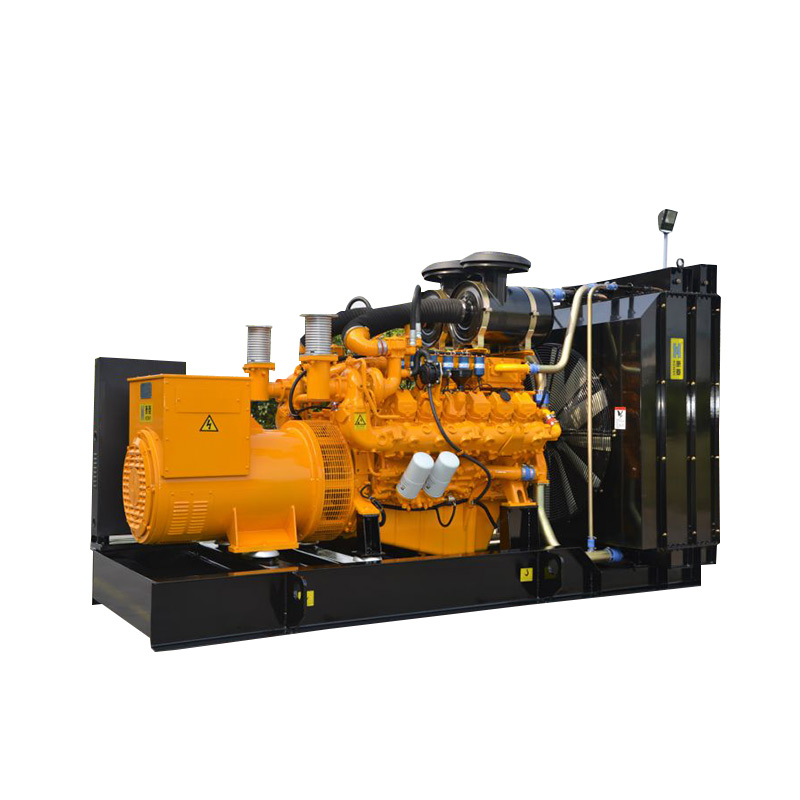
Ever wondered how a gas generator keeps your lights on during a power outage? They're reliable machines powering homes and businesses. This article explores how gas generators work, their components, and their importance in everyday applications. You'll learn about their benefits, drawbacks, and how to choose the right one for your needs.
Key Components of a Gas Generator
A gas generator relies on several vital parts working together to convert fuel into electricity efficiently. Understanding these components helps you grasp how the entire system functions.
Engine: The Heart of the Generator
The engine is the powerhouse. It runs on gasoline or natural gas, burning fuel to create mechanical energy. This energy turns the crankshaft, setting the whole process in motion. Think of it as the generator's "heart," pumping life into the system.
Alternator: Converting Mechanical to Electrical Energy
Connected directly to the engine, the alternator transforms mechanical energy into electrical energy. It contains two main parts: the rotor, which spins, and the stator, which remains stationary. As the rotor turns inside the stator, it creates an alternating current (AC) that powers your devices.
Fuel System: Supplying the Necessary Fuel
The fuel system delivers the right amount of fuel to the engine. It includes the fuel tank, fuel pump (for gasoline types), and carburetor or fuel injection system. These parts ensure the engine gets a balanced fuel-air mixture, essential for smooth combustion.
Cooling System: Preventing Overheating
Running a generator produces a lot of heat. The cooling system keeps temperatures safe to avoid damage. It usually has a radiator, coolant, water pump, and fan. By circulating coolant and air, this system protects the engine from overheating during long operations.
Exhaust System: Managing Combustion Byproducts
After burning fuel, the engine produces exhaust gases. The exhaust system channels these gases away safely. It includes an exhaust manifold, muffler, and exhaust pipe. This setup reduces noise and directs harmful gases away from the generator and people nearby.
The Combustion Process Explained
Understanding the combustion process is key to knowing how a gas generator produces power. This process turns fuel into mechanical energy that the generator then converts into electricity. Here’s a step-by-step look at how it works inside the engine.
Fuel Supply: Delivering the Right Amount
The fuel system carefully supplies the engine with the correct amount of gas. For gasoline generators, a carburetor or fuel injection system mixes fuel with air in precise ratios. In natural gas generators, gas valves control the flow to maintain efficiency and prevent waste.
Air Intake: Creating a Combustible Mixture
Fresh air enters the engine through an air filter, which cleans out dust and debris. This air mixes with the fuel, forming a combustible mixture necessary for efficient burning. The quality of this mixture directly affects engine performance.
Compression: Preparing for Ignition
Inside the combustion chamber, the piston compresses the fuel-air mixture. This compression increases pressure and temperature, making the mixture ready for ignition. Higher compression means more powerful combustion and better energy output.
Ignition: Initiating Combustion
A spark plug fires a high-voltage spark at just the right moment. This spark ignites the compressed fuel-air mixture, triggering combustion. The rapid burning creates expanding gases that push the piston down.
Power Stroke: Generating Mechanical Energy
The force from the expanding gases drives the piston downward. This motion turns the crankshaft, converting the explosion’s energy into mechanical rotation. The crankshaft’s rotation powers the alternator, which produces electricity.
Exhaust: Expelling Gases
After the power stroke, the engine pushes out exhaust gases through the exhaust system. This clears the combustion chamber for the next cycle. The exhaust system also reduces noise and safely directs harmful gases away.
This cycle repeats rapidly, typically hundreds or thousands of times per minute, ensuring continuous power generation.
Types of Gas Generators
Gas generators come in various forms, each designed to meet specific power needs and usage scenarios. Understanding these types helps you select the right generator for your situation.
Portable Gas Generators
Portable gas generators are compact, lightweight, and easy to move. They’re perfect for camping trips, outdoor events, or emergency power when you don’t need to power an entire home. These generators usually run on gasoline or propane and offer power outputs ranging from a few hundred watts to several thousand watts. Because of their size, they’re best suited for powering a few essential devices rather than an entire household.
Key features of portable generators:
Lightweight and easy to transport
Typically 50 to 200 pounds
Provide power for tools, lights, small appliances
Often come with multiple outlets for flexibility
May include inverter technology for clean power output, safe for sensitive electronics
Portable generators are ideal for temporary or occasional use. However, their smaller fuel tanks mean they run for shorter periods before needing a refill.
Standby Gas Generators
Standby gas generators are designed for home or business backup power. They connect directly to a natural gas line or propane tank and automatically start when the main power goes out. These generators can power an entire home or facility, including large appliances and HVAC systems. Because they are permanently installed, they require professional setup and regular maintenance.
Key benefits of standby generators:
Automatic operation during outages
Can power entire homes or businesses
Connect to existing gas supply for continuous fuel
Larger fuel capacity for extended run times
Quiet operation and built for long-term reliability
Standby generators are a solid investment for those who want seamless backup power without manual intervention. They are common in residential and commercial settings where power continuity is critical.
Prime Gas Generators
Prime gas generators are heavy-duty machines used in places where no utility power exists or where continuous power is needed. These generators can run for extended hours or even days without interruption. They are common in industrial, construction, or remote locations and are built to handle heavy electrical loads.
Key characteristics of prime generators:
Designed for continuous, long-duration operation
Capable of handling large power demands
Robust construction for industrial use
Often used as main power source in off-grid locations
Require professional installation and maintenance
Prime generators are less common for residential use due to their size and cost but are essential in commercial or industrial environments.
Tip: Choose a generator type based on your power needs and usage frequency—portable for occasional use, standby for automatic backup, and prime for continuous heavy-duty power.

How to Choose the Right Gas Generator Size
Choosing the right size gas generator is essential to ensure it meets your power needs without wasting energy or money. A properly sized generator provides reliable electricity, supports your appliances, and allows for future growth. Here’s how to make the best choice.
Assessing Power Requirements
Start by listing all the appliances and devices you want to power during an outage or in your off-grid setup. Include essentials like refrigerators, lights, air conditioners, computers, and security systems. Don’t forget smaller devices such as chargers and coffee makers.
Each appliance has two power ratings to consider:
| Running Watts | The continuous power it needs to operate. |
| Starting (Surge) Watts | The extra power required when the appliance first turns on, especially for motors and compressors. |
For example, a refrigerator might need 700 running watts but 2200 surge watts at startup. Always plan for the highest surge wattage among your devices to prevent overload.
Understanding Wattage Needs
Add the running watts of all devices you plan to use simultaneously. Then, add the highest surge wattage required by any appliance. This total wattage is the minimum capacity your generator should have.
If you’re unsure about an appliance’s wattage, check the user manual or look for a label on the device. You can also use online wattage calculators or consult an electrician for accuracy.
Considering Future Growth
Power needs can grow over time as you add new appliances or upgrade your home or business. It’s wise to select a generator with a capacity 20-30% higher than your current calculated wattage. This extra capacity offers flexibility and prevents the generator from running at full load constantly, which can reduce its lifespan.
For instance, if your total wattage calculation is 8,000 watts, consider a generator rated for 10,000 watts or more. This cushion helps accommodate unexpected power surges and future additions.
Installation and Maintenance Requirements
Installing and maintaining a gas generator properly is essential for safe, reliable operation and long service life. Here’s what you need to know about the installation process, routine maintenance, and key safety considerations.
Installation Process and Costs
Installing a gas generator usually involves connecting it to your home’s gas supply and electrical system. This task requires a licensed electrician or professional installer to ensure compliance with local codes and safety standards. The process includes:
Selecting a suitable outdoor location with proper ventilation and clearance from windows or doors.
Connecting the generator to the natural gas or propane line.
Installing a transfer switch to safely switch power between the utility and generator.
Wiring the generator to your home’s electrical panel.
Installation time varies but generally takes several hours to a full day depending on complexity. Costs range widely, from a few hundred dollars for portable unit setups to several thousand for whole-house standby systems. Factors affecting cost include generator size, fuel line installation, electrical upgrades, and local permit fees.
Routine Maintenance Tips
Regular maintenance keeps your generator running smoothly and prevents unexpected breakdowns. Key maintenance tasks include:
Oil and Filter Changes: Change engine oil and filters according to the manufacturer’s schedule, usually every 50-100 hours of operation.
Air Filter Inspection: Check and clean or replace the air filter to ensure clean airflow and efficient combustion.
Fuel System Checks: Inspect fuel lines and connections for leaks or damage. For gasoline units, use fuel stabilizers to prevent fuel degradation.
Battery Maintenance: Keep the battery charged and terminals clean if your generator has an electric start.
Run Tests: Periodically run the generator under load for 15-20 minutes to keep components lubricated and verify operation.
Cooling System: Check coolant levels and radiator condition to prevent overheating.
Scheduling annual professional inspections is recommended to identify wear, adjust settings, and perform deeper diagnostics.
Safety Considerations
Safety is critical when operating gas generators due to risks like carbon monoxide poisoning, fire, and electrical hazards. Follow these safety practices:
Operate Outdoors: Always run the generator outside, at least 15-20 feet away from doors, windows, vents, or occupied spaces.
Proper Ventilation: Ensure exhaust gases are directed away from living areas to avoid carbon monoxide buildup.
Use Carbon Monoxide Detectors: Install detectors in your home as an extra safety layer.
Avoid Overloading: Do not exceed the generator’s rated capacity to prevent overheating or electrical faults.
Ground the Generator: Proper grounding reduces the risk of electric shock.
Regular Inspections: Check for fuel leaks, frayed wires, or loose connections before each use.
Follow Manufacturer Guidelines: Adhere strictly to operating and maintenance instructions.
By respecting these safety measures, you protect yourself, your family, and your property.
Benefits of Using Gas Generators
Gas generators offer a variety of advantages, making them a popular choice for backup power and continuous electricity needs. Below, we explore three key benefits: reliability and accessibility, cost efficiency, and environmental impact.
Reliability and Accessibility
Gas generators are known for their dependable performance. One major reason is their fuel source—natural gas or propane—often supplied through underground pipelines. This setup ensures a steady fuel supply, even during storms or natural disasters that might disrupt gasoline or diesel deliveries. Unlike liquid fuels, natural gas doesn’t require frequent refueling or storage concerns, which means you can count on your generator to run when you need it most.
Many gas generators also come with automatic start features, especially standby models. This means they can detect power outages and start up without any manual intervention. For businesses and homeowners, this reliability translates to peace of mind, knowing essential systems stay powered without delay.
Cost Efficiency
Operating a gas generator often costs less than running diesel or gasoline alternatives. Natural gas prices tend to be more stable and usually lower per energy unit. This price stability helps in budgeting and reduces the risk of sudden fuel cost spikes.
Additionally, gas generators typically have longer run times per fuel unit, meaning you get more electricity for your fuel dollar. Maintenance costs can be reasonable too, especially if you keep up with regular servicing. While initial purchase and installation might be higher, the operational savings often offset these over time.
Environmental Impact
Gas generators burn cleaner than diesel or gasoline models. They produce fewer pollutants like nitrogen oxides, carbon monoxide, and particulate matter. This cleaner combustion reduces air pollution and helps meet environmental regulations more easily.
Natural gas is the cleanest fossil fuel, making gas generators a greener option for power generation. Using them contributes less to smog formation and greenhouse gas emissions, which benefits both public health and the planet. For organizations aiming to reduce their carbon footprint or comply with sustainability goals, gas generators offer a practical solution.
Potential Drawbacks of Gas Generators
While gas generators offer many advantages, it’s important to understand some potential drawbacks before making a purchase decision. Being aware of these can help you plan better and avoid surprises down the road.
Higher Initial Costs
Gas generators generally come with a higher upfront price compared to gasoline or diesel models. The advanced components, cleaner-burning engines, and compliance with environmental regulations add to manufacturing costs. Installation expenses can also be significant, especially for standby or prime gas generators that require professional setup and connection to gas lines. While operational savings often offset these initial costs over time, the higher starting investment may be a barrier for some buyers.
Maintenance and Safety Concerns
Gas generators require regular maintenance to operate safely and efficiently. Spark plugs, for example, need periodic inspection and replacement, unlike diesel engines that don’t use them. The fuel system and ignition components must be kept in good condition to avoid performance issues. Additionally, natural gas is highly flammable, raising fire and explosion risks if leaks occur. Proper ventilation and leak detection are critical safety measures. Compared to diesel, gas generators might demand more frequent servicing, which can increase long-term maintenance costs.
Efficiency Comparisons with Other Fuels
Though natural gas burns cleaner, it’s generally less energy-dense than diesel fuel. This means that, volume for volume, gas generators may produce less electricity than diesel units running on the same amount of fuel. As a result, gas generators might have lower fuel efficiency in some applications. This factor can influence operational costs and generator sizing decisions, especially for heavy-duty or continuous-use scenarios where fuel consumption is a major consideration.
Conclusion
Gas generators convert fuel into electricity through key components like the engine, alternator, and fuel system. They come in portable, standby, and prime types, each suited for different needs. Choosing the right size and maintaining it ensures efficiency and safety. Despite higher initial costs, they offer reliability, cost efficiency, and environmental benefits. Dong Chai Power provides high-quality gas generators, offering dependable power solutions that meet diverse requirements, ensuring peace of mind and operational continuity.
FAQ
Q: What is a gas generator and how does it work?
A gas generator converts fuel into electricity using an engine, alternator, and other systems to produce power for devices.
Q: Why should I choose a gas generator over other types?
Gas generators offer reliability, cost efficiency, and cleaner emissions compared to diesel or gasoline models.
Q: How much does a gas generator cost?
Costs vary widely, from a few hundred dollars for portable units to several thousand for standby systems, including installation.
Q: How can I troubleshoot common issues with a gas generator?
Regular maintenance, checking fuel lines, and inspecting spark plugs can prevent and resolve common generator problems.





